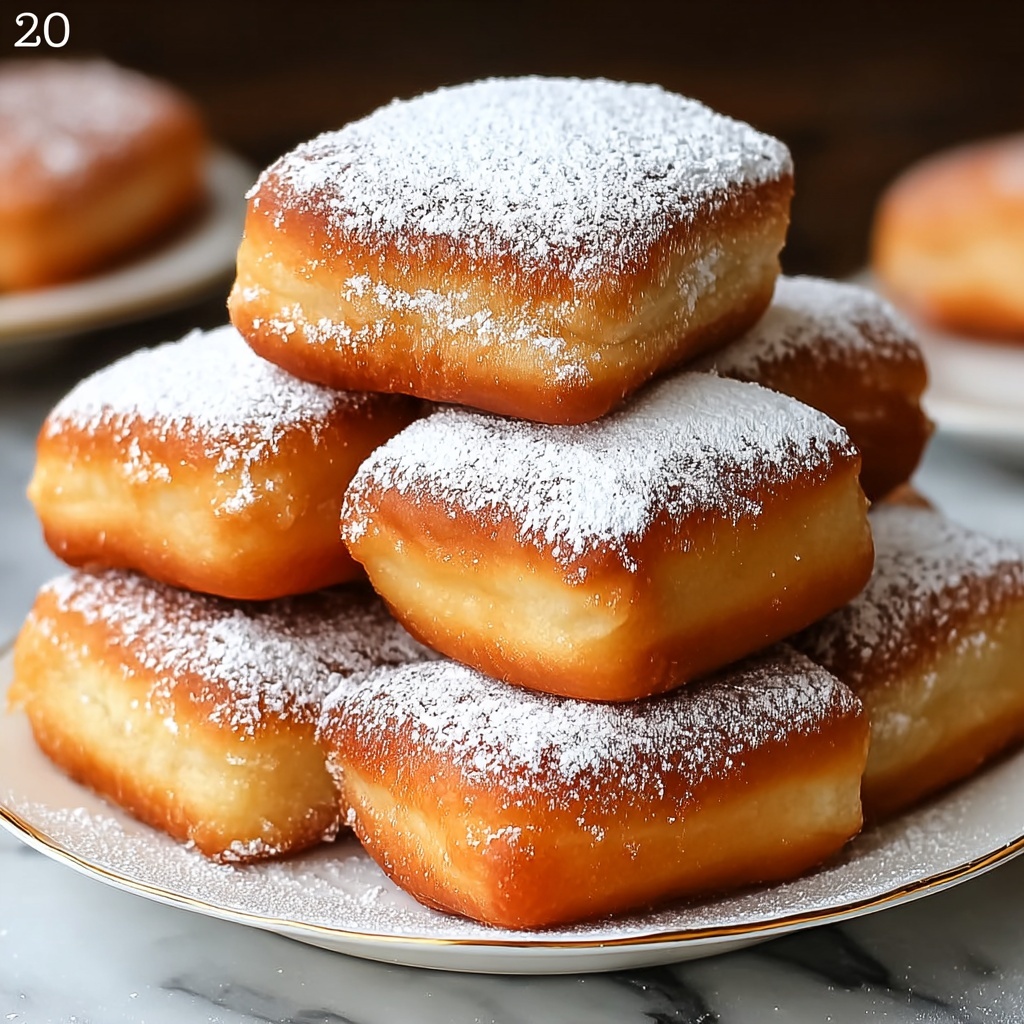
If you’ve ever dreamed of biting into pillowy pillows of sweet dough dusted with clouds of powdered sugar, then this Vanilla French Beignets Recipe is your perfect ticket to Parisian delight from your own kitchen. This classic treat is a wonderful mix of airy, tender texture and that warm, comforting vanilla flavor that feels like a cozy hug for your taste buds. Whether you’re making them for a lazy Sunday brunch or a festive gathering, these beignets will quickly become a beloved favorite that everyone begs you to make again and again.
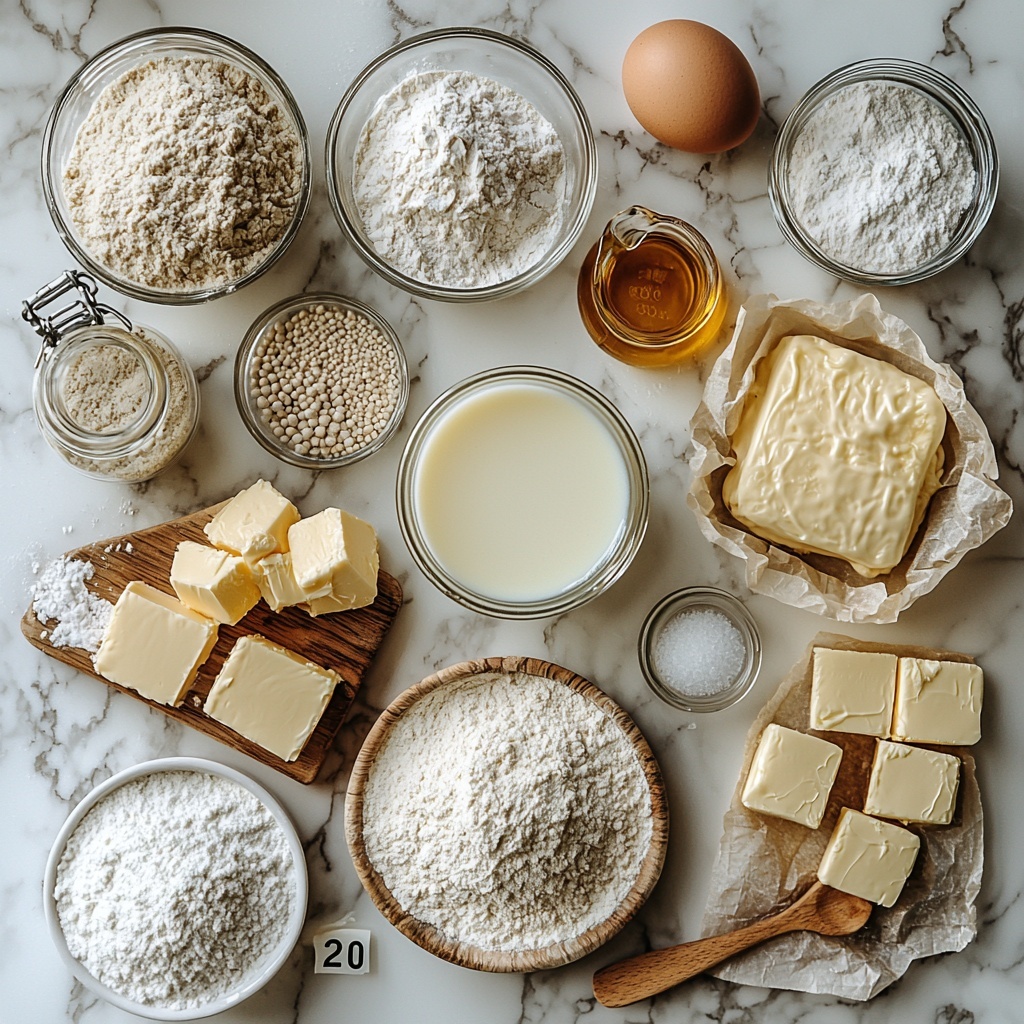
Ingredients You’ll Need
It’s amazing how just a handful of simple ingredients come together to create such a magical bite. Each one plays an important role — from the richness of butter adding tenderness, to the yeast working its magic for that light, airy texture, every detail counts in perfecting this Vanilla French Beignets Recipe.
- Warm milk (1 cup): Activates the yeast and adds moisture for a soft dough.
- Active dry yeast (1/4 ounce): The key to making your beignets light and fluffy.
- Granulated sugar (1/4 cup): Sweetens the dough just right, balancing the flavors.
- Large egg (1): Brings structure and richness to the batter.
- Vanilla extract (1 teaspoon): Fills the dough with that inviting, warm vanilla aroma that defines this recipe.
- Salt (1/2 teaspoon): Enhances all the flavors without overpowering the sweetness.
- Unsalted butter, melted (1/4 cup): Provides moisture and a tender crumb.
- All-purpose flour (3 1/2 to 4 cups): The backbone of the dough, building the perfect chewy-yet-soft texture.
- Vegetable oil (for frying): Neutral-tasting oil that yields that crispy golden crust.
- Powdered sugar (for dusting): The classic finishing touch for that irresistible look and added sweetness.
How to Make Vanilla French Beignets Recipe
Step 1: Activate the Yeast
Start by warming your milk to between 105 and 115 degrees Fahrenheit — just the right temperature to wake up the yeast without hurting it. Combine the warm milk with your active dry yeast and a pinch of sugar, then let the mixture sit for 5 to 10 minutes until it becomes foamy and lively. This step is crucial; a bubbly mixture means your beignets will have the perfect rise.
Step 2: Mix in the Flavorful Ingredients
Next, whisk in the remaining sugar, egg, vanilla extract, salt, and melted butter straight into the yeast mixture. This blend not only builds flavor but also enriches the dough, creating that smooth, tender texture that melts in your mouth with every bite.
Step 3: Combine to Form the Dough
Gradually add your all-purpose flour to the wet mixture, stirring until a soft dough begins to form. Turn it out onto a floured surface and knead gently for 5 to 7 minutes until the dough feels smooth and elastic. This kneading step develops the gluten, which is essential for the signature chew and lightness of the beignets.
Step 4: Let the Dough Rise
Place your dough in a greased bowl, cover it with a clean towel, and let it rest in a warm spot for 1 to 1.5 hours. The dough should double in size as the yeast works its magic. This rise makes the beignets soft, airy, and irresistible.
Step 5: Shape the Beignets
Once risen, punch down the dough gently to release any air bubbles, then roll it out on a floured surface to about 1/4 inch thickness. Cut the dough into squares or rectangles — it’s up to you! These shapes will puff up beautifully when fried, making every piece a delightful mouthful.
Step 6: Fry to Golden Perfection
Heat vegetable oil in a deep fryer or large pot to 350 degrees Fahrenheit. Carefully drop the dough pieces into the hot oil and fry for 1 to 2 minutes per side until they turn a gorgeous golden brown. Frying at the right temperature is key to achieving a crispy outside while maintaining a soft interior.
Step 7: Finish with Powdered Sugar
Remove the beignets using a slotted spoon and let them drain on paper towels to remove any excess oil. While still warm, dust them generously with powdered sugar — this final dusting is the signature look and sweet tease of the Vanilla French Beignets Recipe that everyone loves.
How to Serve Vanilla French Beignets Recipe
Garnishes
Beignets are naturally charming, but they love a little extra sparkle. A generous dusting of powdered sugar is classic, but you can also sprinkle cinnamon sugar or even drizzle a touch of honey or chocolate sauce for a decadent upgrade. Fresh berries alongside add a refreshing contrast to the richness.
Side Dishes
These fluffy beignets pair beautifully with a steaming cup of coffee, a rich hot chocolate, or even a glass of sweet dessert wine. For a brunch twist, serve them alongside fresh fruit salad or creamy yogurt to balance the sweetness and keep the meal light and lively.
Creative Ways to Present
Want to wow your guests? Stack the beignets in a pyramid dusted with powdered sugar for a festive centerpiece. Or create a beignet bar with assorted toppings like nutella, lemon curd, and whipped cream so everyone can customize their treat. The possibilities for presentation with the Vanilla French Beignets Recipe truly spark joy and creativity.
Make Ahead and Storage
Storing Leftovers
If by any chance you have leftovers (which is rare!), store them in an airtight container at room temperature for up to 2 days. They’re best enjoyed fresh, so try to plan to eat them the same day if you can.
Freezing
You can freeze cooked beignets by laying them out on a baking sheet to freeze individually, then transfer them to a freezer-safe bag. Freeze for up to 2 months. This way, you can enjoy your Vanilla French Beignets Recipe anytime a craving strikes without the full prep time.
Reheating
For reheating, pop the beignets in a warm oven (around 300 degrees Fahrenheit) for about 5 to 7 minutes to refresh their crispy exterior. Avoid microwaving, as that tends to make them chewy. Reheat just before serving and dust again with powdered sugar for that perfect finish.
FAQs
Can I make the dough in advance?
Absolutely! You can prepare the dough the night before and let it rise slowly in the refrigerator. Just bring it back to room temperature before rolling and frying for the best results.
What oil is best for frying beignets?
Vegetable oil is ideal because it has a neutral flavor and a high smoke point, ensuring your beignets fry evenly and taste delicious without any overpowering oiliness.
Can I use gluten-free flour?
While traditional beignets rely on gluten for their structure, you can experiment with gluten-free flour blends that are designed for baking. Keep in mind the texture may differ slightly from the classic version.
How do I know when the oil is at the right temperature?
If you don’t have a thermometer, drop a small piece of dough into the oil: if it sizzles immediately and rises to the surface quickly, the oil is ready for frying your beignets.
Why are my beignets dense instead of airy?
Dense beignets usually mean the yeast wasn’t fully active, the dough didn’t rise enough, or the dough was overworked. Make sure your yeast is fresh and allow ample rising time for that perfect fluffy texture.
Final Thoughts
Making this Vanilla French Beignets Recipe at home is pure joy and guaranteed to add a little magic to your day. The combination of warm vanilla sweetness and the light, airy texture is simply irresistible. So grab your ingredients, invite some friends, and dive into this classic treat — soon you’ll see why it’s such a treasured favorite!
Print
Vanilla French Beignets Recipe
- Prep Time: 15 minutes
- Cook Time: 20 minutes
- Total Time: 35 minutes
- Yield: 12 servings
- Category: Dessert
- Method: Frying
- Cuisine: French
Description
Classic Vanilla French Beignets are light, airy, and delightfully fluffy fried pastries dusted with powdered sugar. Perfect as a sweet breakfast or a treat, these beignets are made with a soft yeast dough enriched with vanilla and butter, then fried until golden brown.
Ingredients
For the Dough
- 1 cup warm milk (105-115°F)
- 1/4 ounce active dry yeast (about 2 1/4 teaspoons)
- 1/4 cup granulated sugar
- 1 large egg
- 1 teaspoon vanilla extract
- 1/2 teaspoon salt
- 1/4 cup unsalted butter, melted
- 3 1/2 to 4 cups all-purpose flour
For Frying and Serving
- Vegetable oil (for frying)
- Powdered sugar (for dusting)
Instructions
- Activate the yeast: In a large bowl, combine warm milk, active dry yeast, and a pinch of sugar. Let the mixture stand for 5 to 10 minutes until it becomes foamy, indicating the yeast is active.
- Mix wet ingredients: Whisk in the remaining granulated sugar, egg, vanilla extract, salt, and melted butter into the foamy yeast mixture until well combined.
- Form the dough: Gradually add the all-purpose flour, starting with 3 1/2 cups, mixing to form a soft dough. Knead the dough on a floured surface for 5 to 7 minutes until it becomes smooth and elastic. Add more flour if the dough is too sticky.
- Let the dough rise: Place the kneaded dough into a greased bowl. Cover it with a clean kitchen towel or plastic wrap and let it rise in a warm place for 1 to 1.5 hours or until it doubles in size.
- Shape the beignets: Punch down the risen dough and roll it out onto a floured surface to about 1/4 inch thickness. Cut the dough into squares or rectangles using a knife or dough cutter.
- Heat oil and fry: Heat vegetable oil in a deep fryer or large pot to 350°F (175°C). Carefully fry the beignets in batches for 1 to 2 minutes on each side until they are puffed up and golden brown.
- Drain and dust: Remove the beignets from the oil using a slotted spoon and drain them on paper towels to remove excess oil. While still warm, dust generously with powdered sugar before serving.
Notes
- Make sure the milk temperature is between 105-115°F to avoid killing the yeast.
- You can adjust the thickness of the dough when rolling out based on preference, but 1/4 inch gives a good puff.
- Keep the oil temperature steady at 350°F for even frying and to prevent greasy beignets.
- Serve beignets warm for the best texture and flavor.
- If dough is sticky while kneading, add flour gradually to avoid making it too dry.