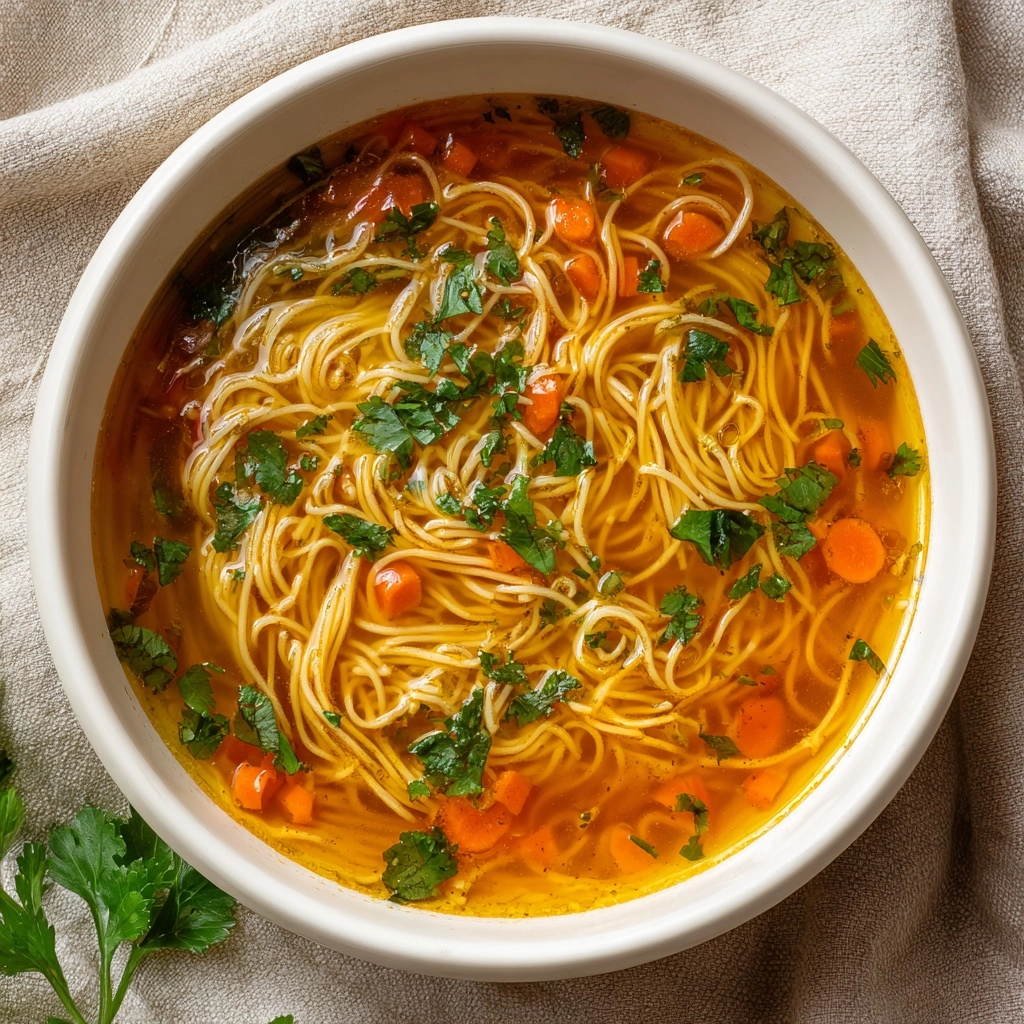
If you’re craving a bowl of warmth that bursts with vibrant flavors, this Thai Coconut Curry Soup Recipe is your new best friend in the kitchen. Creamy coconut milk mingling beautifully with aromatic red curry paste, fresh ginger, and garlic creates a luscious base that is both comforting and exciting. Add colorful vegetables and optional noodles, and you get a harmonious blend of textures and tastes that feel like a cozy hug on a chilly day or an exotic getaway on your palate. It’s surprisingly simple to make but so impressively delicious that it’s destined to become a regular in your recipe collection.
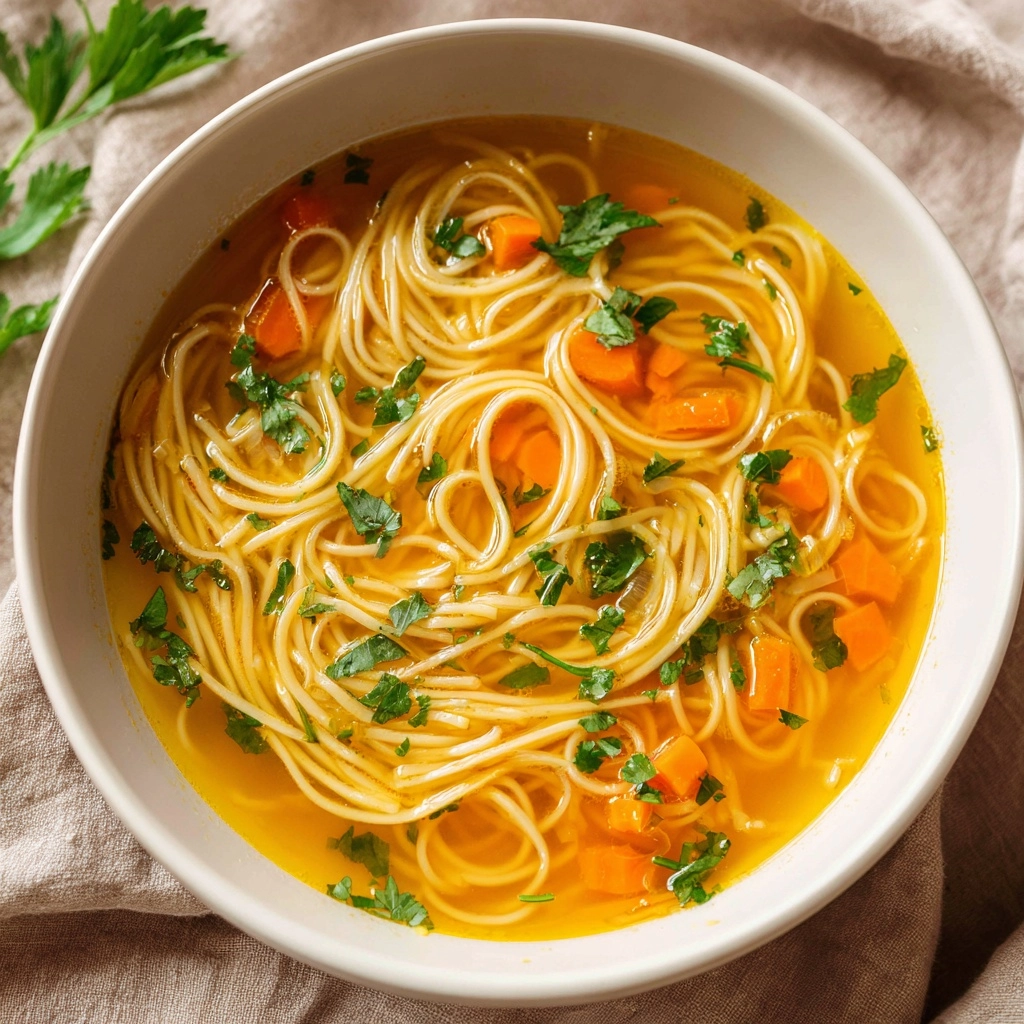
Ingredients You’ll Need
The magic of this Thai Coconut Curry Soup Recipe starts with a handful of essential ingredients, each thoughtfully chosen to build layers of flavor, texture, and color. From the creamy coconut milk that gives richness, to the zing of ginger and the warmth of red curry paste, everything works in harmony to create a soup that feels both nourishing and indulgent.
- Coconut oil: This adds a subtle tropical flavor and helps sauté the aromatics beautifully.
- Small onion (sliced): Provides a natural sweetness that softens as it cooks.
- Garlic (minced): Brings a pungent depth that enhances the overall aroma.
- Fresh ginger (grated): Adds a bright, spicy snap for balance and freshness.
- Red curry paste: The star spice blend infusing the soup with authentic Thai heat and tang.
- Vegetable broth: The flavorful liquid base that carries all ingredients together.
- Full-fat coconut milk: Creates the creamy, silky texture that makes this soup a delight.
- Soy sauce or tamari: Adds umami and a bit of saltiness to enhance flavors.
- Brown sugar: Balances the heat and adds a gentle sweetness.
- Red bell pepper (sliced): Offers a splash of vivid color and crisp, juicy bite.
- Sliced mushrooms: Bring earthiness and hearty texture to the soup.
- Baby spinach or bok choy: Adds a fresh leafy green boost that wilts perfectly in the broth.
- Rice noodles (optional): Great for making this soup more filling and fun to eat.
- Lime juice: Provides a fresh pop of acidity to brighten every spoonful.
- Fresh cilantro and lime wedges: Classic garnishes to add vibrancy and extra zing at serving.
How to Make Thai Coconut Curry Soup Recipe
Step 1: Sauté the Aromatics
Start by heating coconut oil in a large pot over medium heat. Toss in the sliced onion and let it gently soften for about 3 to 4 minutes, releasing its natural sweetness. Then add the minced garlic and freshly grated ginger, stirring constantly for just a minute until the kitchen is filled with pure aromatic joy. This base lays the perfect foundation for your soup’s flavor profile.
Step 2: Stir in the Red Curry Paste
Next comes the fiery heart of the dish: red curry paste. Add the paste to the pot and stir everything thoroughly to coat the onions, garlic, and ginger. This step unlocks the rich spices and essential oils within the paste, creating that signature Thai flavor that’s both spicy and fragrant.
Step 3: Add the Broth and Coconut Milk
Pour in the vegetable broth and full-fat coconut milk, gently stirring to combine all ingredients into a creamy, flavorful broth. Bringing these liquids together transforms your pot into a luxurious soup base that promises comfort in every sip.
Step 4: Season and Simmer
Enhance the flavor further by mixing in soy sauce (or tamari for gluten-free) and brown sugar. These bring balance to the dish by introducing umami notes and subtle sweetness. Bring the soup to a gentle simmer and prepare for the vegetables that add texture and color.
Step 5: Cook the Vegetables
Add the sliced red bell pepper and mushrooms to the pot. Let these cook for about 5 to 7 minutes until tender but still vibrant, lending fresh earthiness and crispness to the creamy broth.
Step 6: Add Noodles and Greens
If you’re using rice noodles, add them now and cook just as the package directs, soaking up the flavorful broth. Finally, stir in the baby spinach or bok choy and squeeze in fresh lime juice. The greens will wilt gently, and the lime adds a perfect zesty lift to finish your Thai Coconut Curry Soup Recipe.
Step 7: Serve and Garnish
Ladle the steaming soup into bowls and finish with a sprinkle of fresh cilantro and a wedge of lime on the side. This finishing touch not only looks beautiful but elevates the flavors to new heights just before you dig in.
How to Serve Thai Coconut Curry Soup Recipe
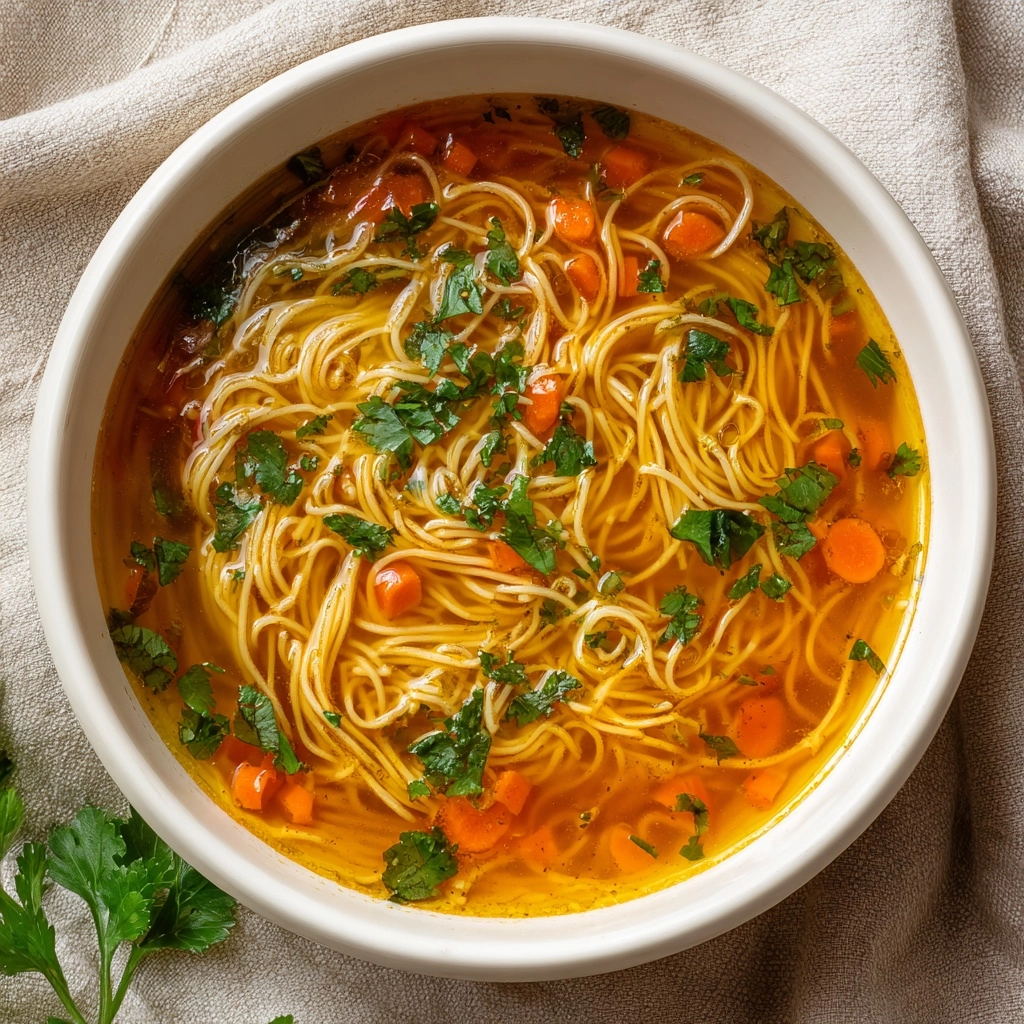
Garnishes
Fresh cilantro and lime wedges are essential garnishes that add bright freshness and a tangy kick to your soup. For those who love extra heat, a few chili flakes or thin slices of Thai chili can turn up the spice and bring an invigorating bite.
Side Dishes
This soup pairs wonderfully with simple jasmine rice or a light cucumber salad to balance the richness. If you want to keep it light, crunchy vegetable spring rolls would also complement the dish beautifully without overpowering the soup’s delicate complexity.
Creative Ways to Present
For a fun twist, try serving the Thai Coconut Curry Soup Recipe in individual coconut shells or bowls that highlight the tropical vibes. You could also offer a small platter of toppings such as chopped peanuts, fresh herbs, or thinly sliced scallions for guests to customize their bowls.
Make Ahead and Storage
Storing Leftovers
Store your leftover Thai Coconut Curry Soup Recipe in an airtight container in the refrigerator for up to 3 days. This allows the flavors to meld even more, making subsequent meals taste just as good, if not better. Just be sure to keep the noodles separate if possible to avoid them becoming mushy.
Freezing
You can freeze this soup, but since the coconut milk and fresh greens might slightly change texture after thawing, it’s best to freeze the broth and vegetables alone. Freeze in a sealed container for up to 2 months; then add fresh greens and noodles when reheating.
Reheating
Gently reheat the soup over low to medium heat on the stovetop, stirring occasionally to ensure it heats evenly. Add fresh spinach or bok choy and a squeeze of lime juice when warming it up to restore vibrancy and freshness.
FAQs
Can I make this Thai Coconut Curry Soup Recipe vegan?
Absolutely! This recipe is naturally vegan when using vegetable broth and soy sauce or tamari. It’s a fantastic plant-based meal that’s rich in flavor and completely dairy-free.
How spicy is this soup, and can I adjust the heat?
The soup has a moderate level of heat thanks to the red curry paste, but you can easily adjust it by adding chili flakes or Thai chilies for more spice or reducing the curry paste for a milder taste.
Can I substitute other vegetables in the soup?
Definitely. Feel free to swap in your favorites like zucchini, snap peas, or carrots. Just be mindful of cooking times so all veggies are tender but not overcooked.
Is it possible to add protein to this recipe?
Yes! Tofu cubes or shredded chicken both work perfectly and boost the soup’s heartiness. Add them during the simmering stage to let them soak up the rich flavors.
What’s the best way to serve this soup with noodles?
If adding noodles, cook them separately according to package instructions and add to individual bowls before ladling the soup on top. This helps prevent soggy noodles and keeps the texture just right.
Final Thoughts
There is something truly special about the cozy yet vibrant flavors captured in this Thai Coconut Curry Soup Recipe. It is easy enough for a weeknight dinner but impressive enough to serve guests. With just a few simple ingredients and straightforward steps, you can bring a bowl of exotic comfort to your table any time you want. I can’t wait for you to try it and make it your own delicious tradition.
Print
Thai Coconut Curry Soup Recipe
- Prep Time: 10 minutes
- Cook Time: 20 minutes
- Total Time: 30 minutes
- Yield: 4 servings
- Category: Soup
- Method: Stovetop
- Cuisine: Thai
- Diet: Vegetarian, Gluten Free, Dairy-Free
Description
This Thai Coconut Curry Soup is a rich and fragrant dish combining creamy coconut milk, spicy red curry paste, and fresh vegetables. Perfectly balanced with ginger, garlic, and lime juice, it delivers authentic Thai flavors in a comforting bowl. Whether served with or without rice noodles, this vegetarian and gluten-free soup is easy to prepare on the stovetop and can be customized with proteins like tofu or chicken.
Ingredients
Main Ingredients
- 1 tablespoon coconut oil
- 1 small onion, sliced
- 2 cloves garlic, minced
- 1 tablespoon fresh ginger, grated
- 2 tablespoons red curry paste
- 4 cups vegetable broth
- 1 (13.5-ounce) can full-fat coconut milk
- 1 tablespoon soy sauce or tamari
- 1 teaspoon brown sugar
- 1 red bell pepper, sliced
- 1 cup sliced mushrooms
- 1 cup baby spinach or bok choy
- 1 cup rice noodles (optional)
- ½ lime, juiced
- Fresh cilantro and lime wedges for garnish
Instructions
- Heat the Oil and Sauté Onion: Heat coconut oil in a large pot over medium heat. Add the sliced onion and sauté for 3–4 minutes until softened and translucent to build a flavor base.
- Add Garlic and Ginger: Stir in the minced garlic and grated ginger, cooking for 1 minute until fragrant to release their aromatic oils.
- Incorporate Red Curry Paste: Add the red curry paste and stir well to coat the softened vegetables, allowing the spices to bloom and deepen in flavor.
- Add Liquids and Seasonings: Pour in the vegetable broth and full-fat coconut milk, stirring to combine thoroughly. Then add soy sauce and brown sugar to balance the savory and sweet notes. Bring the mixture to a gentle simmer.
- Add Vegetables and Cook: Add the sliced red bell pepper and mushrooms. Simmer for 5–7 minutes until the vegetables are tender but still slightly crisp.
- Add Noodles (Optional): If using rice noodles, add them now and cook according to the package instructions until tender.
- Finish with Greens and Lime: Stir in the baby spinach or bok choy and lime juice just before serving to wilt the greens slightly and add fresh acidity.
- Serve and Garnish: Ladle the soup into bowls and garnish with fresh cilantro and lime wedges for extra brightness and flavor contrast.
Notes
- To increase spiciness, add chili flakes or a sliced Thai chili during the cooking process.
- For added protein, include cubed tofu or shredded cooked chicken when adding the vegetables.
- Use tamari instead of soy sauce to keep the recipe gluten-free.
- Rice noodles are optional and can be omitted for a lower-carb version.