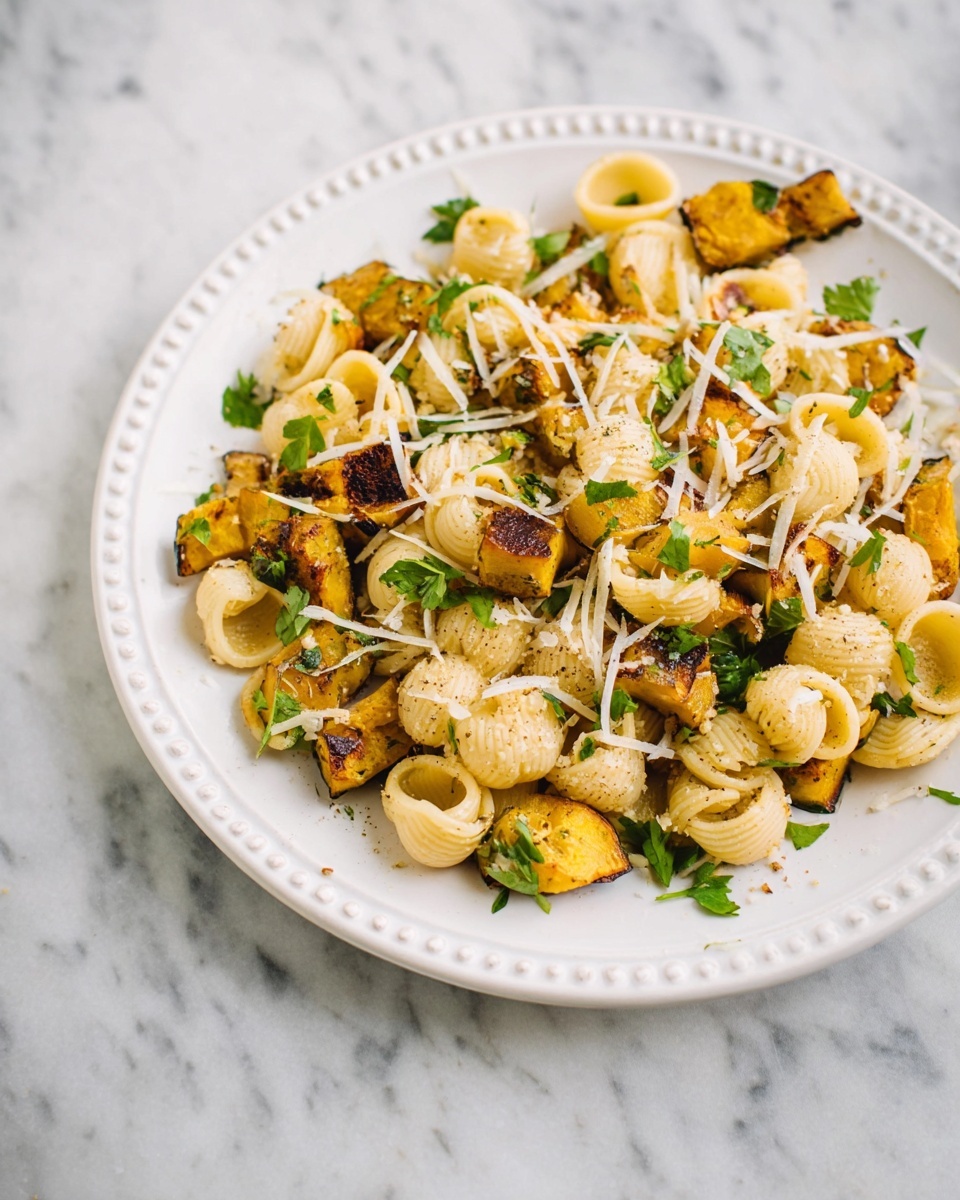
If you’re searching for a comforting, flavorful meal that feels like a warm hug from the inside, this Roasted Butternut Squash Pasta with Sage and Parmesan Recipe is exactly what you need. It combines the natural sweetness of perfectly roasted butternut squash with aromatic sage and nutty browned butter, all tossed with tender orecchiette pasta and finished with a sprinkle of freshly grated Parmesan. This recipe is a true celebration of fall flavors and simple ingredients that come together to create a dish that is as beautiful on the plate as it is on the palate.
Ingredients You’ll Need
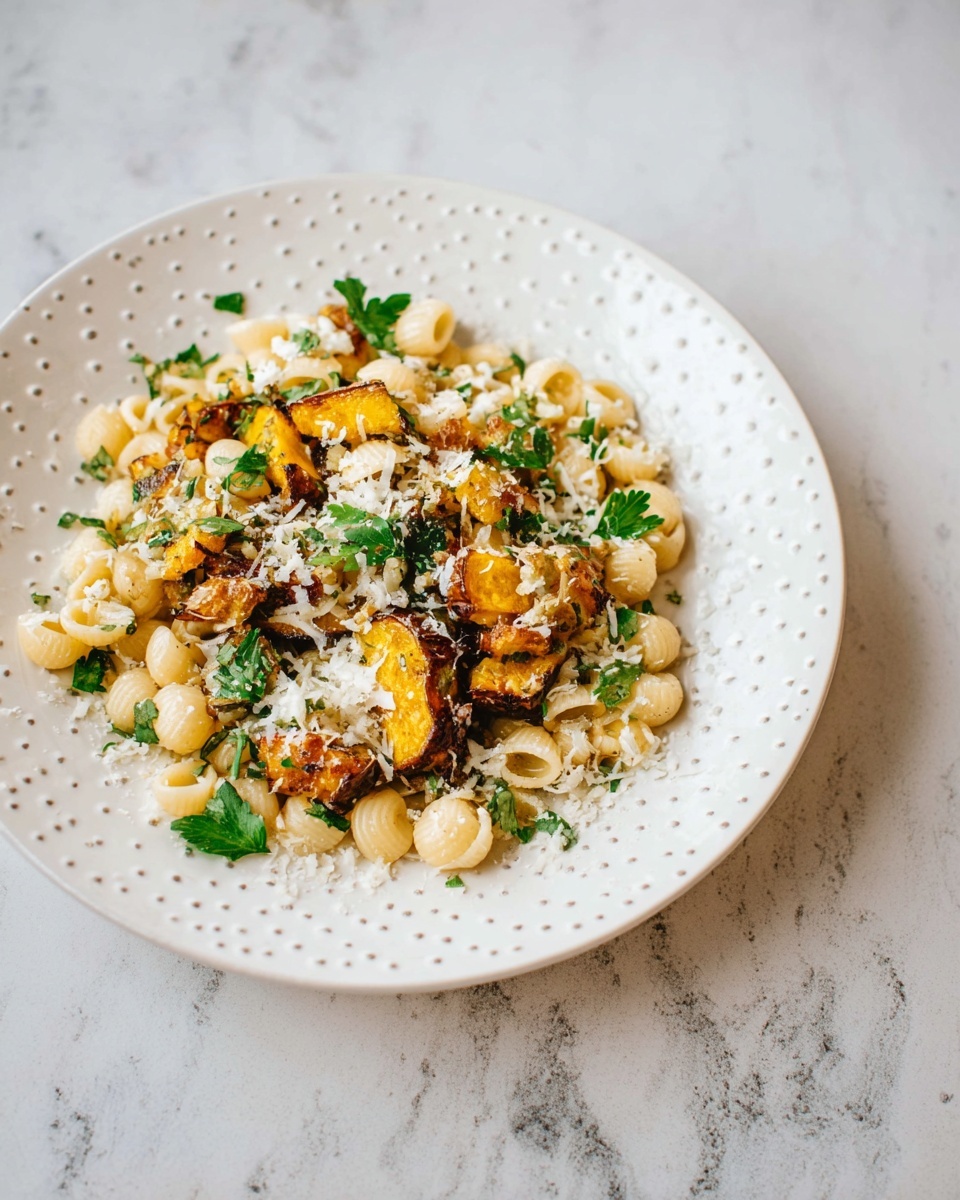
The magic of this Roasted Butternut Squash Pasta with Sage and Parmesan Recipe lies in its straightforward ingredients. Each one plays a crucial role in balancing sweet, savory, and earthy notes while offering a variety of textures, from the softness of the squash to the chewiness of the pasta.
- 1 medium butternut squash (peeled & cut into 3/4″ pieces): The star ingredient providing natural sweetness and a vibrant orange hue.
- 1/4 teaspoon cinnamon: Adds a warm, subtle spice that enhances the squash’s flavor without overpowering it.
- 1/4 teaspoon nutmeg: Brings a gentle earthiness perfect for autumn-inspired dishes.
- 1/4 teaspoon garlic powder: Offers savory depth that rounds out the spices nicely.
- 1 tablespoon olive oil: Ensures the squash roasts to caramelized perfection.
- Salt & pepper (to taste): Enhances all the flavors without masking the natural sweetness.
- 8 ounces uncooked orecchiette pasta: The ideal pasta shape to catch the small squash pieces and butter-sage sauce.
- 2 tablespoons butter: For creating that lusciously browned butter base that binds all the flavors together.
- 1 tablespoon fresh sage (chopped): Adds a fragrant, slightly peppery note that contrasts beautifully with the sweet squash.
- Freshly grated Parmesan cheese (optional): A salty, nutty finish that elevates the entire dish.
How to Make Roasted Butternut Squash Pasta with Sage and Parmesan Recipe
Step 1: Prepare the Oven and Squash
Begin by preheating your oven to 400 degrees Fahrenheit and positioning the rack in the middle. While the oven warms, peel and cut your butternut squash into generous 3/4-inch pieces. These bite-sized chunks ensure the squash roasts evenly, developing a lovely caramelization without drying out.
Step 2: Season and Roast the Squash
Place the squash pieces on a large baking sheet and sprinkle with cinnamon, nutmeg, garlic powder, salt, and pepper. Drizzle the olive oil over the top and toss everything well so that every piece is coated in that spiced, oily goodness. Pop the squash in the oven for about 25 to 30 minutes, stirring once halfway through, until the pieces are tender and lightly browned on the edges—you want that slightly crispy exterior to contrast the soft inside.
Step 3: Cook the Pasta
While the squash roasts, bring a large pot of salted water to a boil. Add the orecchiette and cook it according to the package instructions—usually around 10 to 12 minutes—until al dente. This pasta’s unique little “ear” shape captures the sauce and roasted squash perfectly, creating a harmonious bite every time.
Step 4: Brown the Butter and Crisp the Sage
As the squash finishes roasting, melt butter in a skillet over medium-high heat. Add the chopped sage leaves and fry them gently for about two minutes. You’ll notice the butter takes on a golden-brown hue and the sage crisps up—this is exactly what delivers that rich, nutty flavor that lifts the whole dish.
Step 5: Combine and Toss
Once your pasta is drained (save a couple tablespoons of pasta water before you do), add the roasted butternut squash and a splash of the pasta water to the skillet with the browned butter and sage. Then fold in the pasta and toss everything together until the sauce evenly coats every piece. Serve immediately, topped liberally with freshly grated Parmesan if you like, for that final touch of salty creaminess.
How to Serve Roasted Butternut Squash Pasta with Sage and Parmesan Recipe
Garnishes
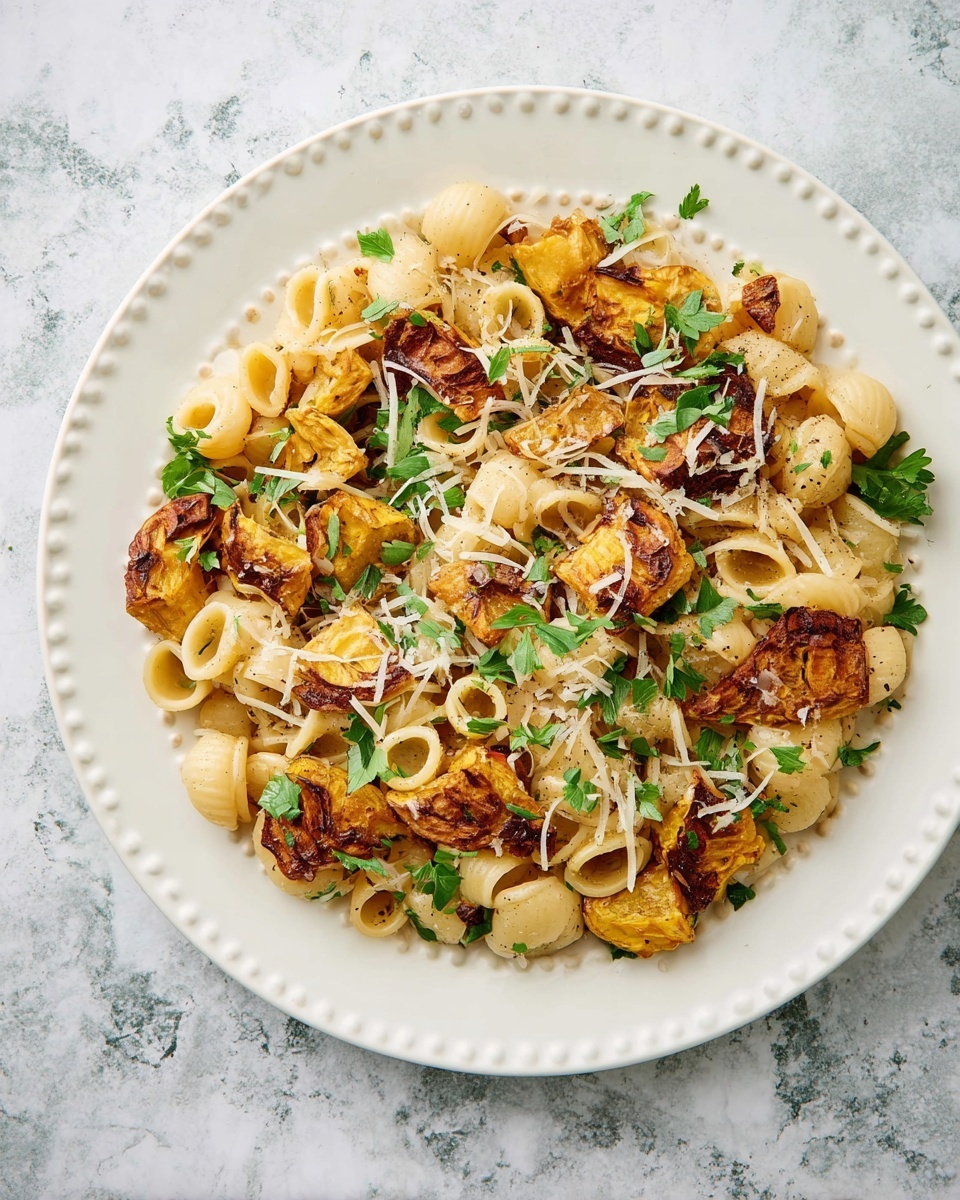
Sprinkling this pasta with fresh Parmesan is an obvious delight, but consider adding toasted pine nuts or a handful of crispy sage leaves for an extra layer of texture and flavor. A light drizzle of high-quality extra virgin olive oil also never fails to impress and brighten the dish right before serving.
Side Dishes
This pasta pairs beautifully with simple green salads featuring peppery arugula or bitter radicchio to cut through the richness. Garlic bread or rustic country loaves work wonderfully to soak up the browned butter sauce, while roasted Brussels sprouts or a citrusy roasted beet salad add vibrant, contrasting flavors.
Creative Ways to Present
For a stunning presentation, try serving the pasta in warm, shallow bowls with a sprig of fresh sage resting on top. Alternatively, individual ramekins or mini cast iron skillets straight from the oven lend charming rustic flair for dinner parties. A sprinkle of microgreens or edible flowers can elevate the dish to a restaurant-worthy look.
Make Ahead and Storage
Storing Leftovers
Leftovers of this Roasted Butternut Squash Pasta with Sage and Parmesan Recipe keep well when stored in an airtight container in the refrigerator for up to 3 days. The flavors deepen overnight, making the dish even more satisfying the next day.
Freezing
While freezing is possible, it’s best to freeze the roasted squash and the browned butter separately to retain texture and flavor. Cooked pasta can become mushy when thawed, so freezing the components independently allows you to reheat and combine them fresh for the best taste.
Reheating
For reheating, gently warm the pasta and squash in a skillet with a splash of water or olive oil to revive the sauce and keep the squash tender. Avoid the microwave if you can, as it tends to dry out delicate roasted vegetables. Adding a sprinkle of fresh Parmesan after warming brightens the dish once again.
FAQs
Can I use a different type of pasta?
Absolutely! While orecchiette is ideal for catching the sauce and squash, penne, rigatoni, or even a small shell pasta will work well too. Just pick pasta shapes that can hold onto the sauce for maximum flavor in every bite.
Is this recipe vegan or can it be made vegan?
This recipe isn’t vegan as written because of the butter and Parmesan, but you can easily substitute vegan butter and a plant-based Parmesan alternative to enjoy it fully vegan. Nutritional yeast is also a popular cheese substitute that brings a cheesy flavor.
What if I can’t find fresh sage?
Fresh sage makes a big difference in flavor and texture here, but if unavailable, dried sage can be used sparingly. Add it earlier when roasting the squash to allow the dried herb to soften and release its flavor.
Can I add protein to this dish?
Definitely! Adding roasted chicken, crispy pancetta, or sautéed mushrooms can turn this pasta into a more substantial meal. Keep the additional flavors simple to let the squash and sage remain the stars.
How do I know when the butternut squash is done roasting?
The squash is perfectly roasted when it’s tender inside and lightly browned on the edges. You should be able to easily pierce it with a fork, and the caramelized bits bring a wonderful sweetness and texture to the dish.
Final Thoughts
This Roasted Butternut Squash Pasta with Sage and Parmesan Recipe is one of those dishes that feels both special and wonderfully simple—a perfect weeknight dinner or a cozy weekend treat. The balance of sweet, nutty, and savory flavors wrapped around chewy pasta is truly irresistible. I hope you’ll give it a try and make it a beloved recipe in your kitchen just like I have!
Print
Roasted Butternut Squash Pasta with Sage and Parmesan Recipe
- Prep Time: 10 minutes
- Cook Time: 35 minutes
- Total Time: 45 minutes
- Yield: 4 servings
- Category: Main Course
- Method: Roasting
- Cuisine: Italian
- Diet: Vegetarian
Description
This Roasted Butternut Squash Pasta combines sweet, spiced roasted squash with tender orecchiette pasta, finished with a fragrant sage-infused brown butter sauce. It’s a comforting and flavorful vegetarian dish perfect for a cozy weeknight dinner.
Ingredients
Butternut Squash and Seasoning
- 1 medium butternut squash, peeled and cut into 3/4″ pieces
- 1/4 teaspoon cinnamon
- 1/4 teaspoon nutmeg
- 1/4 teaspoon garlic powder
- Salt and pepper, to taste
- 1 tablespoon olive oil
Pasta and Sauce
- 8 ounces uncooked orecchiette pasta
- 2 tablespoons butter
- 1 tablespoon fresh sage, chopped
- Freshly grated parmesan cheese, optional
Instructions
- Preheat Oven: Preheat your oven to 400°F and place the oven rack in the middle position to ensure even roasting of the squash.
- Roast Butternut Squash: Place the prepared butternut squash pieces on a large baking sheet. Sprinkle with cinnamon, nutmeg, garlic powder, salt, and pepper. Drizzle with olive oil and toss everything together until the squash is well coated. Roast in the oven for 25-30 minutes, stirring halfway through, until the squash is tender and lightly browned.
- Cook Pasta: While the squash roasts, bring a generously salted pot of water to a boil. Cook the orecchiette pasta according to the package instructions until al dente. Drain the pasta, reserving some pasta water.
- Prepare Sage Brown Butter: When the squash is nearly done, melt butter in a skillet over medium-high heat. Add the chopped sage leaves and fry for about 2 minutes until the sage is crispy and the butter turns a light brown color, which adds a rich and nutty flavor to the dish.
- Combine and Serve: Add the roasted squash to the skillet with the sage butter. Pour in 2 tablespoons of the reserved pasta water and the cooked orecchiette. Toss everything together gently to combine and coat the pasta in the sauce. Serve immediately, topped with freshly grated parmesan cheese if desired.
Notes
- You can substitute sage with rosemary or thyme if desired.
- For a vegan version, replace butter with olive oil and omit parmesan cheese or use a vegan cheese alternative.
- Be careful not to burn the butter when making the sage brown butter; remove from heat as soon as it turns lightly golden and fragrant.
- Leftover pasta can be stored in an airtight container in the refrigerator for up to 3 days.
- To add protein, consider topping with toasted pine nuts or adding cooked chickpeas.