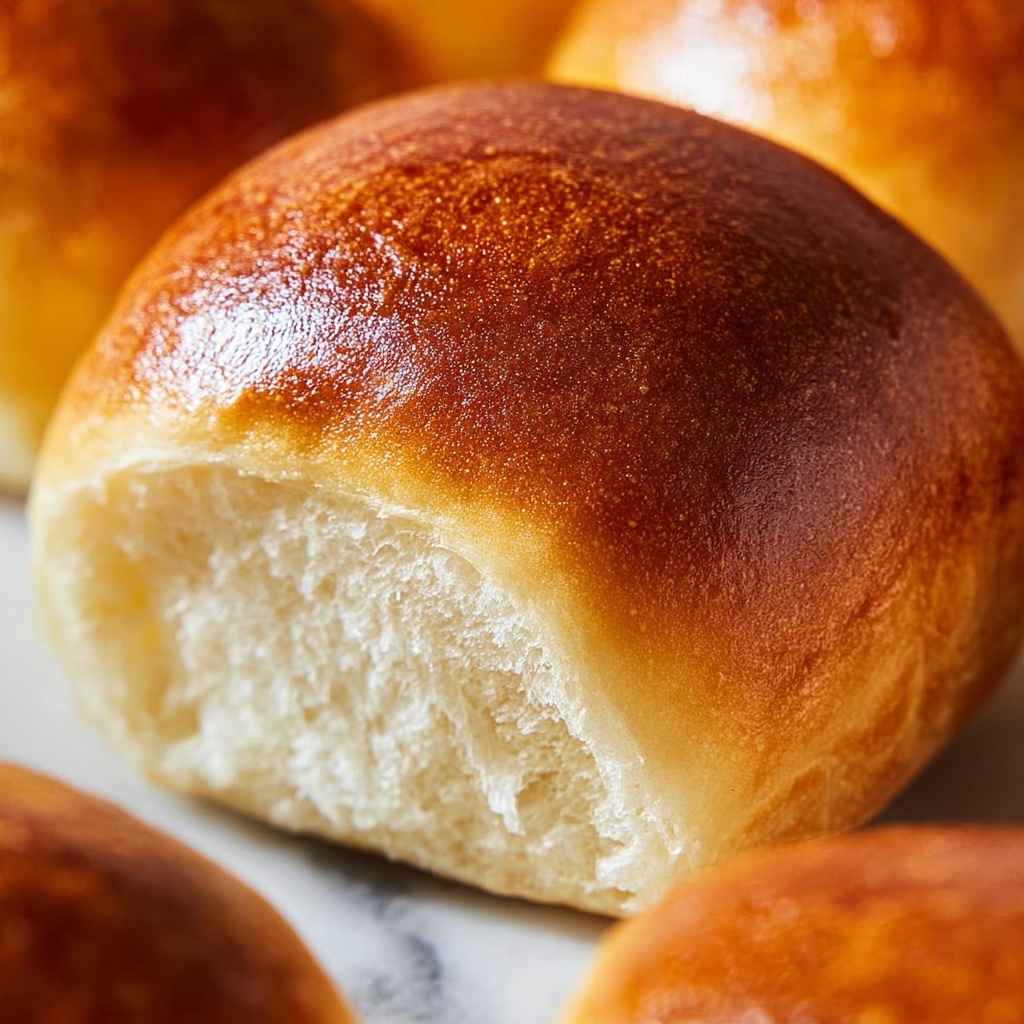
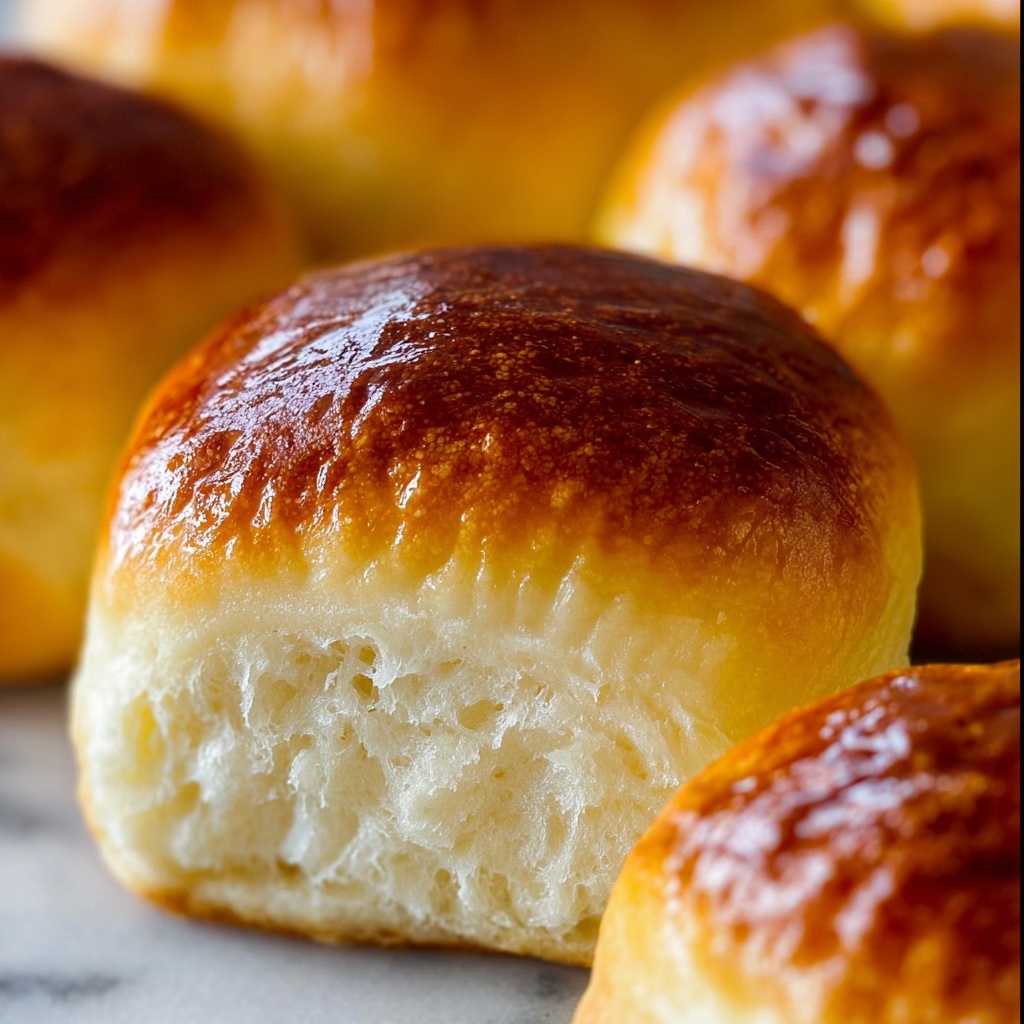
If you’re looking for a buttery, soft, and irresistibly pillowy bread to bring warmth and comfort to your table, this Parker House Roll Recipe is exactly what your kitchen needs. These classic rolls have a tender crumb thanks to the unique addition of instant potato flakes, making them stand out from your everyday dinner rolls. Whether you’re serving a special family meal or just craving something delicious to accompany your soups and stews, these rolls will soon become a beloved staple you’ll want to bake again and again.
Ingredients You’ll Need
Simple, familiar ingredients come together in this recipe to create something truly special. Each one plays a vital role: from the yeast providing lift, to the butter and shortening delivering the perfect richness and softness, to the potato flakes giving that signature tender crumb that makes Parker House rolls so divine.
- Warm water (1/4 cup): Activates the yeast – temperature matters here for a perfect rise.
- Warm milk (1 cup): Adds moisture and richness while nurturing the yeast.
- Active dry yeast (1 1/2 tablespoons): The essential leavening agent that makes the dough rise beautifully.
- Granulated sugar (2 teaspoons + 1/3 cup): Feeds the yeast and adds subtle sweetness to balance flavors.
- Butter, softened (3 tablespoons + 4 tablespoons for brushing): Brings tenderness and that iconic buttery finish on top.
- Shortening (3 tablespoons): I recommend butter-flavored for extra taste and softness in crumb texture.
- Kosher salt (2 teaspoons): Enhances flavor without overpowering — adjust if using table salt.
- Large egg (1): Adds richness and helps binding the dough.
- Instant potato flakes (3/4 cup): The magic ingredient for uniquely tender rolls that stay soft longer.
- Bread flour (2 1/2 to 2 3/4 cups): Provides the structure and chewiness classic to dinner rolls.
How to Make Parker House Roll Recipe
Step 1: Activate Your Yeast
Begin by warming your water and milk until pleasantly warm, like a cozy bath—not hot, as heat will kill your yeast. Stir in your active dry yeast and sugar, then set aside for about five minutes. Watch with delight as a creamy foam forms on top, signaling your yeast is ready to work wonders.
Step 2: Combine Fats and Flavor
In your mixing bowl, bring together the softened butter and shortening. These fats are the secret to your rolls’ soft, tender crumb and slightly flavorful richness. Add sugar, salt, and the egg next, blending until smooth and unified.
Step 3: Mix Yeast Mixture with Fats
Once your yeast mixture bubbles and foams, it’s time to stir it into the fat and egg mixture. Use a stand mixer’s paddle attachment or a sturdy spoon to combine, setting the stage for a beautifully cohesive dough.
Step 4: Add Potato Flakes and Flour
Instant potato flakes enter the scene here, giving these rolls their signature softness. Mix in the flakes and start incorporating the bread flour bit by bit. The dough may feel chunky initially thanks to the potatoes; don’t worry, it softens as you keep mixing.
Step 5: Knead to Perfection
Switch to the dough hook if you have one, adding more flour as needed until the dough just starts to pull away from the sides of the bowl. This part takes some feel—less flour means softer rolls, but you want enough for manageable dough. Knead for about seven minutes, or ten minutes by hand, until smooth and elastic.
Step 6: First Rise
Grease a large bowl and turn your dough ball around so every side is coated. Cover it snugly and find a warm spot to let it almost double in size—about an hour to an hour and a half. An oven warmed for just a minute, then turned off, makes a perfect cozy rising nook.
Step 7: Shape the Rolls
After that satisfying first rise, punch down your dough gently and split it in half. Roll one half out into a rectangle, brush generously with melted butter, then cut and fold into those signature Parker House roll curves. Repeat with the second half. Place the shaped rolls butter-side down into a prepared pan, lining them up close for that classic pull-apart effect.
Step 8: Second Rise and Bake
Cover and let your shaped rolls rise again until puffy—about 45 minutes. Bake at 350 degrees Fahrenheit for 15 to 20 minutes until golden brown. The smell fills your kitchen, an intoxicating preview of the soft, buttery goodness waiting inside!
Step 9: The Finishing Touch
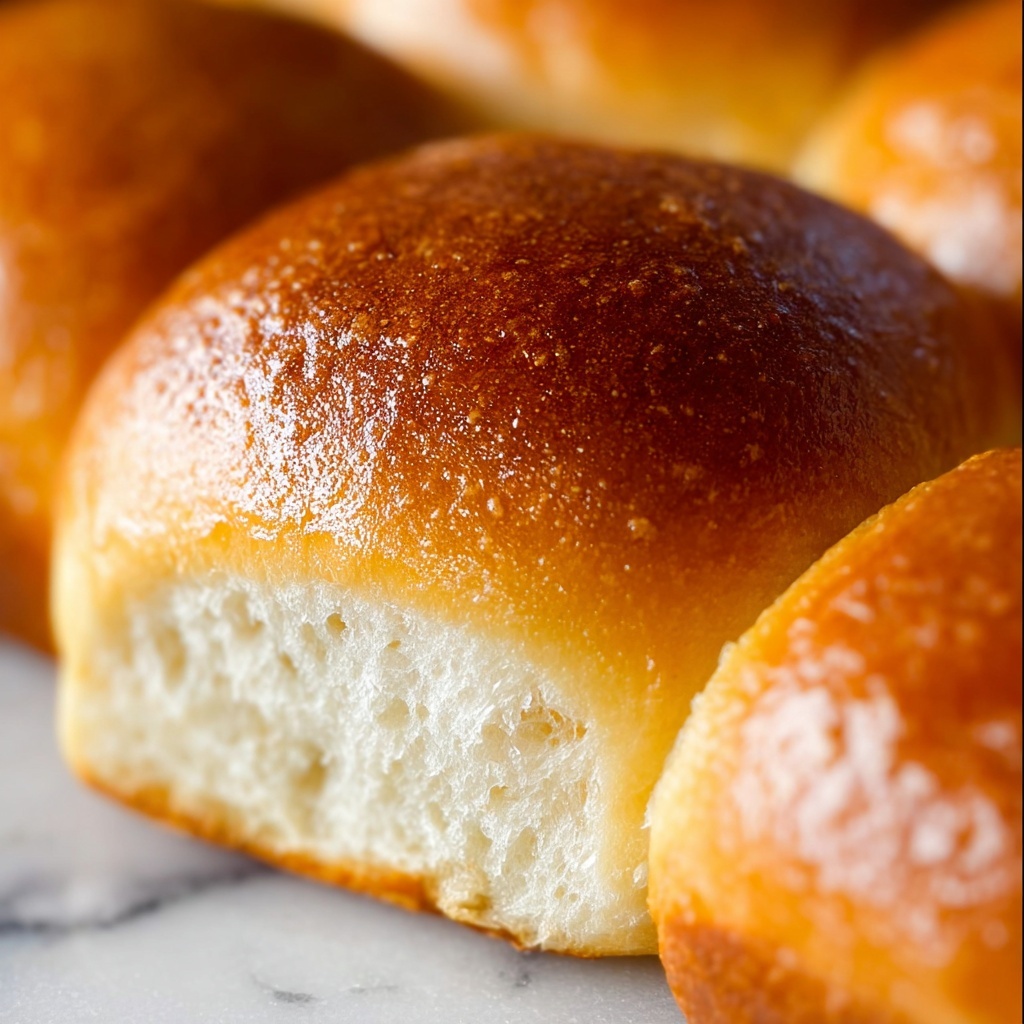
Right from the oven, brush these beauties with melted butter for a shiny, indulgent crust. Feel free to sprinkle flaky sea salt on top to contrast the sweet buttery touches. Now, dig in and enjoy the fruits of your loving labor!
How to Serve Parker House Roll Recipe
Garnishes
While the rolls are delicious all on their own, a gentle brush of melted butter right before serving ensures they stay moist and luminous. For a fancy touch, flaky sea salt on top can balance the richness with a little sparkle. Fresh herbs like thyme or rosemary scattered around the platter also add a lovely aroma and visual appeal.
Side Dishes
Parker House rolls complement a wide range of meals spectacularly. They’re perfect alongside hearty soups, creamy chowders, roasted chicken, or rich beef stews. Their soft crumb is excellent for mopping up sauces or piling with butter and jams at breakfast for a comforting start to your day.
Creative Ways to Present
Try serving these rolls nestled in a warm cloth-lined basket to keep them cozy and inviting right at the table. For gatherings, consider slicing a baked batch in half horizontally and stacking with herbed butter or savory spreads for gourmet sliders. They also make a fantastic base for mini sandwiches at brunch or cocktail parties!
Make Ahead and Storage
Storing Leftovers
If you have any rolls left after the feast (rare but possible!), store them in an airtight container once cooled. This keeps them soft for a couple of days, perfect for quick snacks or sides for your next meal.
Freezing
Parker House rolls freeze beautifully, making them ideal for meal prep or holiday extras. Wrap in plastic wrap and seal tightly in a ziplock bag or container for up to three months. Thaw at room temperature while still sealed to preserve moisture.
Reheating
To revive frozen or leftover rolls, brush them with melted butter and warm in a 350-degree oven for 5 to 7 minutes. This refreshes their soft texture and enhances that irresistible buttery aroma, making them taste just fresh from the oven!
FAQs
What makes Parker House rolls different from regular dinner rolls?
The signature feature of Parker House rolls is their buttery fold and soft texture, achieved by folding the dough and buttering liberally. The addition of instant potato flakes creates a tender crumb that keeps the rolls soft longer than typical recipes.
Can I use all butter instead of butter and shortening?
Yes! You can swap all the shortening for butter if you prefer, just be mindful that shortening tends to make the rolls softer and a tad fluffier, while butter adds richer flavor. Using all butter will give excellent flavor but slightly different texture.
Why do the rolls need two rises?
The first rise allows the yeast to activate and make the dough airy and light. The second rise after shaping the rolls helps develop their classic fluffy shape and ensures they bake up soft and tender.
Can I make the dough without instant potato flakes?
While you can, the potato flakes are a key ingredient that give these rolls their hallmark softness. Omitting them will result in a denser roll more like standard bread, so I recommend following the recipe as is for the true Parker House roll experience.
What temperature should I bake the rolls at?
Bake your Parker House rolls at 350 degrees Fahrenheit. This moderate temperature ensures they cook evenly through while developing that gorgeous golden top without burning.
Final Thoughts
Nothing beats the joy of pulling warm, fluffy, buttery Parker House rolls fresh from the oven and sharing them with loved ones. This Parker House Roll Recipe is a timeless classic that brings comfort and smiles to any meal. Once you try it, these irresistible rolls will be your go-to recipe for comfort and celebration all year round. So grab your ingredients and get baking—you’re about to fill your home with the coziest, most delicious aromas ever!
Print
Parker House Roll Recipe
- Prep Time: 30 minutes
- Cook Time: 15 minutes
- Total Time: 1 hour 45 minutes to 2 hours 15 minutes (including rising time)
- Yield: 16 rolls
- Category: Bread
- Method: Baking
- Cuisine: American
Description
Classic Parker House Rolls are soft, buttery, and slightly sweet bread rolls that feature a signature folded shape. Made with warm milk, active dry yeast, instant potato flakes, and a combination of butter and shortening for richness, these rolls are perfect for holiday dinners, family gatherings, or anytime you crave fresh homemade rolls with a tender crumb and golden crust.
Ingredients
Liquid Mixture and Yeast Activation
- 1/4 cup warm water
- 1 cup warm milk
- 1 1/2 tablespoons active dry yeast
- 2 teaspoons granulated sugar
Dough Ingredients
- 3 tablespoons softened butter
- 3 tablespoons butter-flavored shortening
- 1/3 cup granulated sugar
- 2 teaspoons kosher salt (use less if using table salt)
- 1 large egg
- 3/4 cup instant potato flakes
- 2 1/2 to 2 3/4 cups bread flour
For Assembling and Brushing
- 4 tablespoons butter (melted, for brushing)
- Flaky sea salt (optional, for sprinkling on finished rolls)
Instructions
- Make the dough base: Warm the water and milk until about 105-110°F, then stir in the yeast and 2 teaspoons sugar. Let it sit for 5 minutes until foamy.
- Prepare dough ingredients: In a large bowl or stand mixer, combine softened butter and shortening. Add 1/3 cup sugar, kosher salt, and egg. Mix well.
- Combine yeast mixture with dough: Add foamy yeast mixture to the butter mixture and stir using paddle attachment if using a mixer.
- Add dry ingredients: Stir in instant potato flakes and 2 cups bread flour, continuing until combined. Then add an additional 1/2 cup bread flour and mix with dough hook.
- Adjust dough consistency: If dough is sticky, add up to 1/4 cup more bread flour until the dough mostly cleans the bowl but remains soft.
- Knead the dough: Knead with the dough hook for about 7 minutes (or 10 minutes by hand) until smooth and elastic.
- First rise: Grease a large bowl, form dough into a ball, place in bowl turning to coat all sides. Cover and let rise in a warm place for 60-90 minutes until doubled in size.
- Shape the rolls: Punch down dough, divide in half, and roll one half into an 8×12 inch rectangle on a greased surface. Brush with melted butter.
- Cut and fold the dough: Slice rectangle lengthwise into two strips, fold each lengthwise with a half inch overlap on the underside. Cut each strip into 4 pieces (total of 8 rolls per half).
- Arrange rolls in pan: Spray a 9×13 pan with nonstick spray. Place rolls folded side down four across and four down.
- Repeat shaping: Roll out second half of dough, brush with butter, cut, fold, and place rolls in pan.
- Second rise: Cover rolls and let rise in a warm place for about 45 minutes until puffy and nearly doubled.
- Preheat oven: Set oven to 350°F during rising period.
- Bake: Bake rolls for 15-20 minutes until golden brown on top and bottom, and an internal temperature reaches about 190°F.
- Finish and serve: Remove rolls from oven, brush with remaining melted butter, and sprinkle with flaky sea salt if desired. Serve warm.
- Storage: Remove rolls from pan after 5-10 minutes to prevent sogginess. Cool on wire rack before storing in airtight containers.
- Freezing and reheating: Rolls freeze well for up to 3 months. Thaw at room temperature. To reheat, brush thawed rolls with butter, sprinkle with salt if desired, and warm in 350°F oven for 5-7 minutes.
Notes
- Ensure liquid temperature is warm but not hot to avoid killing yeast.
- If yeast mixture does not foam, discard and start over with fresh yeast.
- Use a minimal amount of flour to achieve the right dough consistency to keep rolls soft.
- Grease workspace instead of flouring dough for shaping to avoid added flour.
- Butter-flavored shortening can be substituted if preferred.
- After baking, remove rolls from pan promptly to prevent soggy bottoms.
- If freezing, do not brush with butter before freezing; brush before reheating for best flavor.