

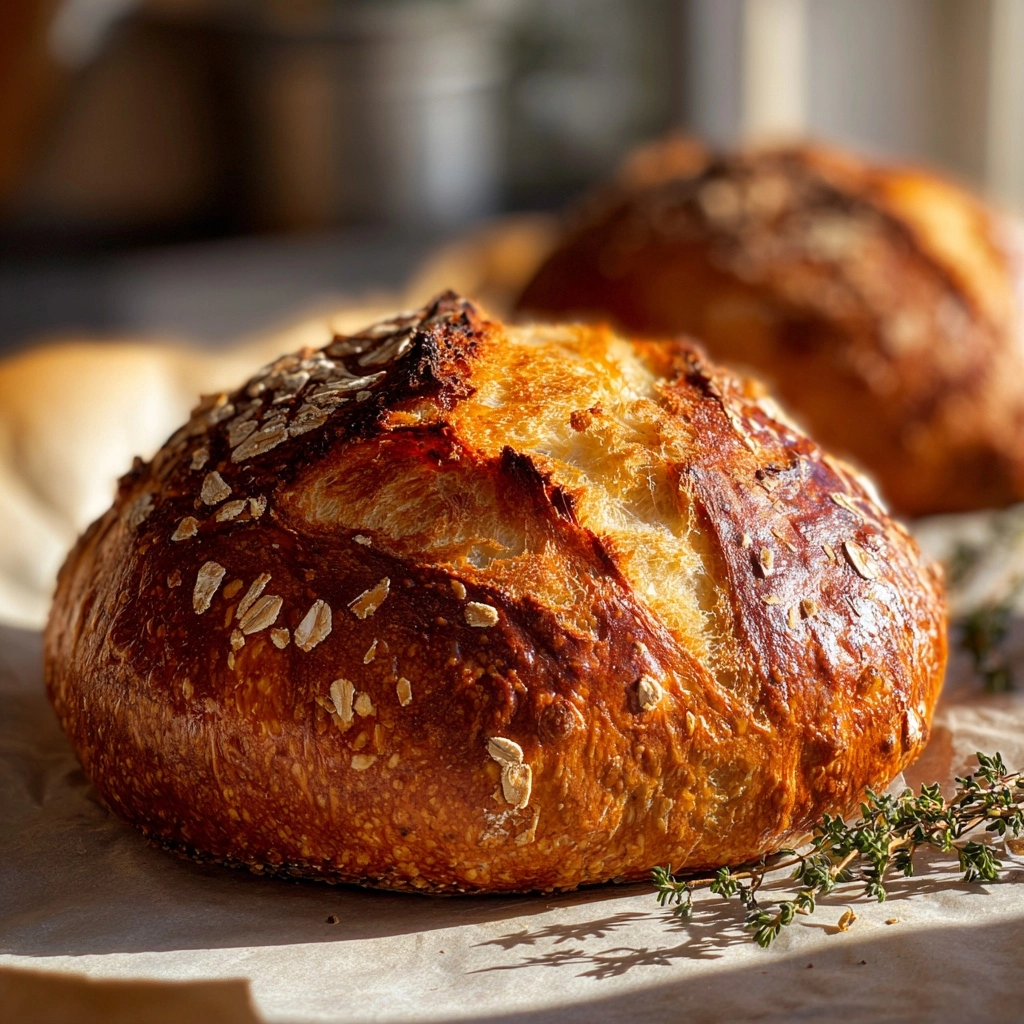
If you’ve ever dreamed of filling your kitchen with the warm, inviting aroma of freshly baked loaf from scratch, then this Homemade Bread Recipe is your new best friend. It’s a simple yet profoundly satisfying way to enjoy the timeless joy of bread that’s soft on the inside with a crisp, golden crust on the outside. Every slice is a reminder that with just a handful of basic ingredients and a little patience, you can create something truly delightful and nourishing. Whether it’s for sandwiches, breakfast toast, or just to savor by itself, this recipe opens a welcoming door into the world of homemade baking.
Ingredients You’ll Need
The magic of this Homemade Bread Recipe lies in how straightforward and essential the ingredients are. Each one plays a critical role in shaping the flavor, texture, and color of your loaf, making the baking process approachable for beginners yet rewarding for seasoned bakers.
- 4 cups all-purpose flour: The backbone of your bread, providing structure; remember to have extra on hand for kneading to prevent sticking.
- 1 packet (2 1/4 teaspoons) active dry yeast: This tiny ingredient is the secret behind your dough’s rise and airy crumb.
- 1 1/2 cups warm water (110°F): Activates the yeast; make sure it’s warm but not hot to keep your yeast happy.
- 2 tablespoons granulated sugar: Feeds the yeast and adds a subtle sweetness that balances the bread’s flavor.
- 1 1/2 teaspoons salt: Enhances flavor and strengthens the dough’s gluten network for better texture.
- 2 tablespoons vegetable oil or melted butter: Adds richness and keeps the bread tender.
How to Make Homemade Bread Recipe
Step 1: Bloom the Yeast
Start by dissolving the sugar in warm water, creating a cozy environment for the yeast to wake up and activate. Sprinkling the yeast on top and letting it sit for 5 to 10 minutes allows it to get foamy—a clear sign it’s ready to work its magic in your dough.
Step 2: Mix Ingredients and Form Dough
After your yeast blooms, stir in the oil and salt to add flavor and moisture. Gradually mix in the flour one cup at a time until a shaggy dough begins to form. This slow addition helps you gauge the dough’s consistency and avoid making it too dry or sticky.
Step 3: Knead Until Smooth and Elastic
Turn your dough onto a floured surface and knead it for about 8 to 10 minutes. This part is incredibly therapeutic—watch as the dough goes from sticky and rough to smooth, elastic, and perfectly pliable. Good kneading is the difference between a dense loaf and a beautifully risen, airy bread.
Step 4: First Rise
Place your kneaded dough in a lightly greased bowl and cover it with a damp cloth or plastic wrap to keep moisture in. Let it rest in a warm spot for one to one and a half hours, during which it will double in size. This resting period feeds the yeast and builds flavor.
Step 5: Shape and Second Rise
Once doubled, gently punch the dough down to release excess air, then shape it into a loaf. Place it in a greased 9×5-inch loaf pan, cover, and allow it to rise again for 30 to 45 minutes. This second rise sets the loaf’s shape and ensures a springy texture.
Step 6: Bake to Golden Perfection
Preheat your oven to 375°F (190°C). Bake the loaf for 30 to 35 minutes until the crust turns a beautiful golden brown and the bread sounds hollow when gently tapped. Let your loaf cool in the pan for a few minutes before transferring it to a wire rack. Cooling prevents soggy bottoms and helps the bread finish its cooking process evenly.
How to Serve Homemade Bread Recipe

Garnishes
Enhance your bread by brushing the top with melted butter right after it comes out of the oven. This simple step adds a rich sheen and a buttery aroma that makes your loaf even more irresistible. If you’re feeling adventurous, sprinkle some coarse sea salt or herbs like rosemary on top before baking for a fragrant touch.
Side Dishes
This homemade bread pairs wonderfully with a variety of foods—think creamy soups, vibrant salads, or hearty stews that soak up those golden slices perfectly. It’s also fantastic alongside dips like hummus, flavored olive oil, or classic butter and jam if you prefer simpler accompaniments.
Creative Ways to Present
Serving homemade bread can be an experience in itself. Try slicing it thick for rustic sandwiches or cut into cubes for croutons that elevate your salads or soups. You can even toast slices and top them with smashed avocado, fresh tomatoes, or melted cheese for a casual yet impressive appetizer.
Make Ahead and Storage
Storing Leftovers
The best way to keep your homemade bread fresh is to store it in a bread box or loosely wrapped in a clean kitchen towel at room temperature. This method preserves the crust’s crispness and keeps the interior soft for up to two days.
Freezing
If you want to extend the life of your loaf, freezing is a fantastic option. Wrap the bread tightly in plastic wrap and then in aluminum foil or place it in a freezer bag. When stored this way, it stays fresh for up to three months, ready to be thawed whenever you crave fresh bread.
Reheating
To revive frozen or leftover bread, simply unwrap it and warm it in a preheated oven at 350°F (175°C) for about 10 to 15 minutes. This restores the crust’s crunch and refreshes the soft crumb inside, making it taste as if it just came out of the oven.
FAQs
Can I substitute whole wheat flour in this Homemade Bread Recipe?
Absolutely! You can replace up to half of the all-purpose flour with whole wheat flour for a heartier, nuttier flavor. Just keep in mind that whole wheat flour absorbs more water, so you might need to adjust the moisture slightly.
Why is my bread dense and not rising well?
Density often results from inactive yeast, too little kneading, or insufficient rising time. Make sure your yeast is fresh and your water is the right temperature, knead the dough until it’s elastic, and allow enough time for both rises.
Can I use instant yeast instead of active dry yeast?
Yes, instant yeast can be used in this recipe. Since instant yeast doesn’t need to be dissolved in water first, you can mix it directly with the flour and adjust rising times as needed.
Is it necessary to let the dough rise twice?
Yes, the first rise develops flavor and texture, while the second rise after shaping ensures a light and fluffy crumb. Skipping the second rise can lead to a denser loaf.
How do I know when my bread is fully baked?
A well-baked loaf will have a golden crust and sound hollow when tapped on the bottom. You can also use an instant-read thermometer; the internal temperature should reach around 190°F (88°C).
Final Thoughts
Baking your own Homemade Bread Recipe is such a satisfying adventure that nourishes both body and soul. Once you experience the joy of pulling a golden loaf from your oven, you’ll understand why it’s a beloved ritual for so many. So grab your ingredients, roll up your sleeves, and enjoy the warm comfort that only fresh homemade bread can bring to your table.
Print
Homemade Bread Recipe
- Prep Time: 15 minutes
- Cook Time: 35 minutes
- Total Time: 2 hours 30 minutes
- Yield: 1 loaf (about 12 slices)
- Category: Bread
- Method: Baking
- Cuisine: American
- Diet: Vegetarian
Description
This homemade bread recipe yields a soft, golden crusted loaf that’s perfect for sandwiches, toast, or enjoying warm with butter and jam. Using simple pantry staples like all-purpose flour, active dry yeast, and sugar, this easy-to-follow bread recipe includes two rising phases to develop a light, airy crumb and rich flavor. With straightforward steps for kneading and baking, it’s a classic American-style white bread ideal for beginner bakers and bread enthusiasts alike.
Ingredients
Dry Ingredients
- 4 cups all-purpose flour (plus more for kneading)
- 1 packet (2 1/4 teaspoons) active dry yeast
- 2 tablespoons granulated sugar
- 1 1/2 teaspoons salt
Wet Ingredients
- 1 1/2 cups warm water (110°F)
- 2 tablespoons vegetable oil or melted butter
Instructions
- Activate the Yeast: In a large bowl, dissolve the sugar in warm water. Sprinkle the active dry yeast on top and let it sit for 5 to 10 minutes until the yeast becomes foamy, indicating it is active and ready to use.
- Combine Ingredients: Stir in the vegetable oil (or melted butter) and salt into the yeast mixture. Gradually add the all-purpose flour, about one cup at a time, stirring until a shaggy dough forms that starts pulling away from the sides of the bowl.
- Knead the Dough: Transfer the dough onto a floured surface and knead by hand for 8 to 10 minutes. Continue until the dough is smooth, elastic, and slightly tacky but not sticky.
- First Rise: Lightly grease a large bowl and place the dough inside. Cover it with a damp cloth or plastic wrap, then set it in a warm spot. Allow the dough to rise for 1 to 1 1/2 hours or until it has doubled in size.
- Shape and Second Rise: Punch down the risen dough to release excess air. Shape it into a loaf and place it into a greased 9×5-inch loaf pan. Cover again and let it rise for another 30 to 45 minutes until puffy and nearly doubled.
- Preheat and Bake: Preheat your oven to 375°F (190°C). Bake the loaf for 30 to 35 minutes, or until the top is golden brown and it sounds hollow when tapped on the bottom.
- Cool the Bread: Remove the bread from the oven and let it cool in the pan for 5 minutes. Then transfer it to a wire rack to cool completely before slicing to maintain its soft texture.
Notes
- For extra flavor and a softer crust, brush the top of the bread with melted butter right after baking.
- To make a heartier loaf, substitute half of the all-purpose flour with whole wheat flour.
- This bread is versatile and works great for making sandwiches, toasting, or serving warm with butter and jam.