“`html
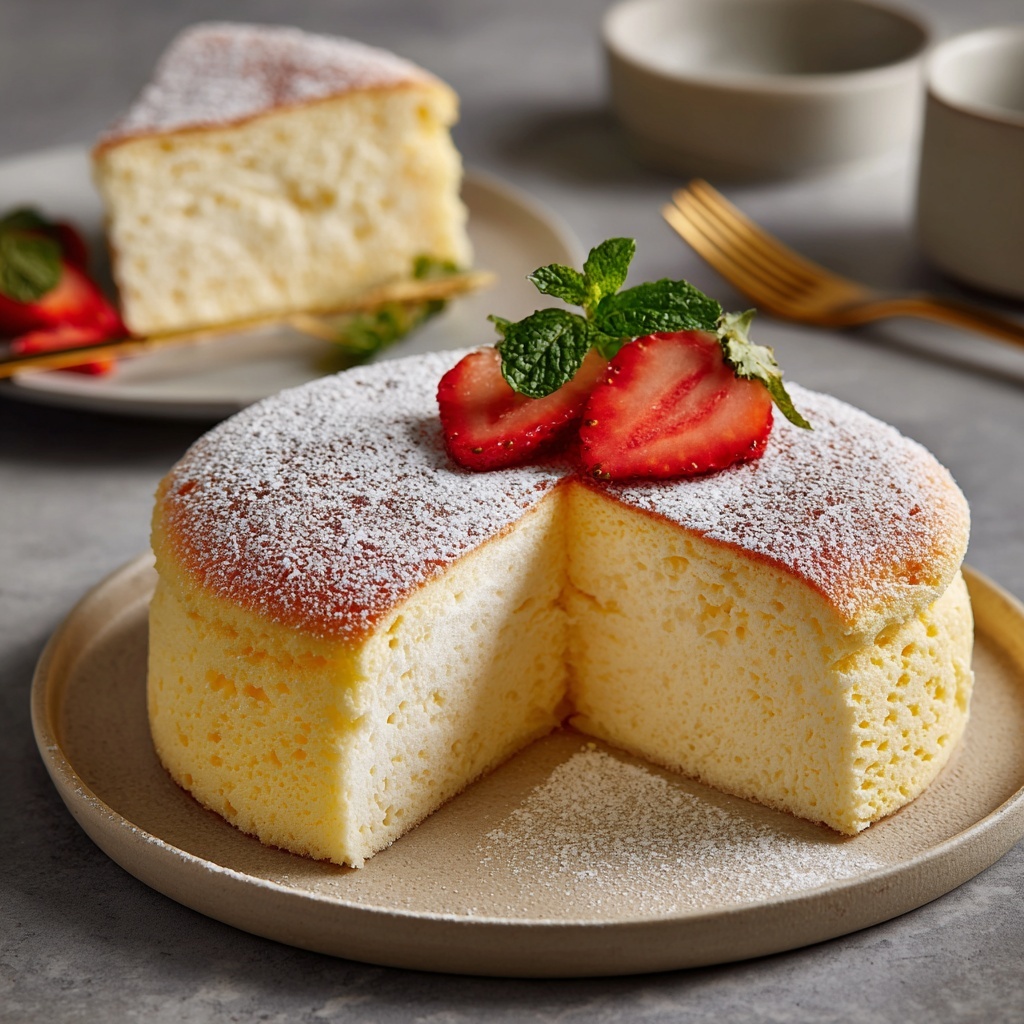
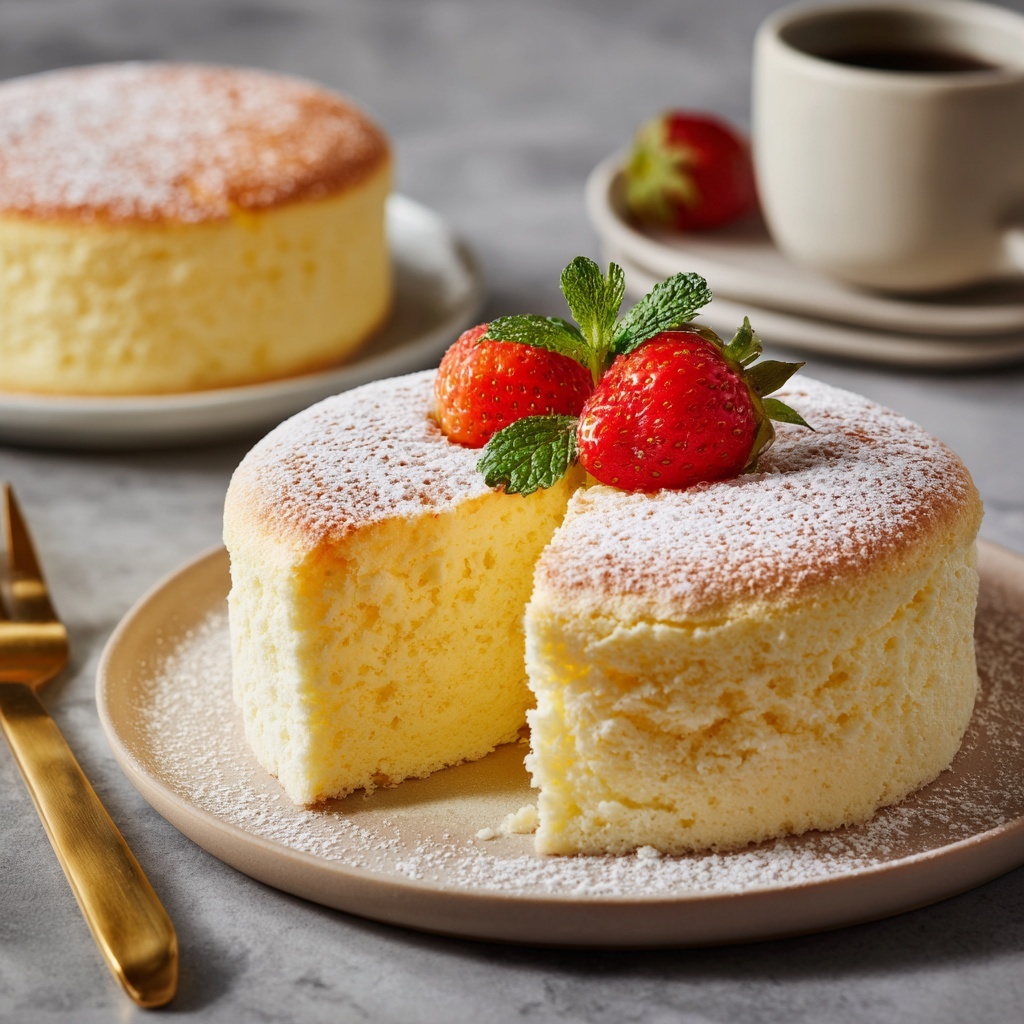
If you have a soft spot for desserts that are light, fluffy, and utterly melt-in-your-mouth, then this Japanese Cotton Cheesecake Recipe is going to become your new favorite. Unlike traditional dense cheesecakes, this Japanese version boasts an airy texture reminiscent of a delicate souffle, combining the richness of cream cheese with a cloud-like softness that dances on your palate. It’s an irresistible treat that balances sweetness with a subtle tang, making it perfect for any occasion when you crave something special yet comforting.
Ingredients You’ll Need
This recipe shines in its simplicity. Each ingredient plays a crucial role in creating that signature jiggly, tender crumb and the smooth, creamy flavor that defines this cheesecake. Here’s what you’ll need to bring this magic to life:
- Cream cheese, 7 oz, softened: The creamy base that delivers the rich, tangy flavor essential for the cheesecake.
- Whole milk, 1/4 cup: Adds moisture and smoothness to the batter.
- Unsalted butter, 1/4 cup: Enhances richness and helps with the soft texture.
- Cake flour, 1/2 cup: Provides a lighter, softer crumb than all-purpose flour.
- Cornstarch, 2 tablespoons: Works alongside the cake flour to give that fluffy, delicate structure.
- Salt, 1/4 teaspoon: Balances the sweetness and enhances flavors.
- Large eggs, 6, separated: Egg yolks contribute richness, while whipped whites create the airy lift.
- Granulated sugar, 1/2 cup: Sweetens the cake just right without overpowering.
- Cream of tartar, 1/4 teaspoon (optional): Stabilizes the egg whites for a more stable meringue.
- Lemon juice, 1 teaspoon: Adds a subtle brightness that cuts through the richness.
- Powdered sugar, for dusting (optional): A pretty finishing touch for presentation.
How to Make Japanese Cotton Cheesecake Recipe
Step 1: Prepare Your Pan and Oven
Start by preheating your oven to 320°F (160°C). Line the bottom and sides of an 8-inch round cake pan with parchment paper, making sure there are no gaps where batter could leak. Wrap the outside with foil tightly to create a watertight seal—this is essential because you’ll be baking the cheesecake in a water bath. This step ensures gentle, even cooking that keeps the cake moist and prevents cracking.
Step 2: Melt and Mix the Cream Cheese Base
Using a heatproof bowl placed over simmering water, melt together the softened cream cheese, whole milk, and unsalted butter until completely smooth and lump-free. This gentle warming helps create a seamless base and teases out the rich flavors. Once melted, remove from heat and let it cool slightly to avoid cooking the eggs prematurely when they’re added later.
Step 3: Combine Dry Ingredients and Egg Yolks
Sift together the cake flour, cornstarch, and salt to keep the mixture airy and lump-free. Gradually whisk these dry ingredients into your slightly cooled cream cheese mixture. Then, incorporate the egg yolks along with the lemon juice, stirring until the batter feels smooth and silky. This mixture is the foundation of that luscious texture you’ve been dreaming about.
Step 4: Whip Egg Whites to Soft Peaks
In a clean, dry bowl, start whipping the egg whites along with cream of tartar (if using) until foamy. Slowly add the granulated sugar while continuing to beat until soft peaks form—this means when you lift your whisk, the peaks gently curl instead of standing stiffly. These whipped egg whites are the secret behind the cheesecake’s famous cloud-like fluffiness.
Step 5: Fold and Combine Gently
Fold the whipped egg whites into the cream cheese batter in three parts, using a spatula and careful motions to avoid deflating the mixture. This delicate folding preserves the air you’ve just beaten in, ensuring each bite is jiggly and light. The batter should look smooth but still airy once combined.
Step 6: Bake in a Water Bath
Pour your batter into the prepared cake pan, then place this pan inside a larger baking dish. Pour hot water into the outer dish to create a water bath, filling halfway up the side of the cake pan. This steam bath technique provides gentle heat, which is what gives the cheesecake that soft, tender crumb and prevents cracks on the surface. Bake for 60–70 minutes until the top turns a light golden color and a toothpick inserted comes out clean.
Step 7: Cool Gradually and Unmold
Once baked, turn off the oven and crack the door open, leaving the cake inside for an additional 15 minutes—this slow cooling step is crucial to keep the cake from suddenly collapsing. Remove the cake from the water bath and allow it to cool completely at room temperature before unmolding. For an elegant final touch, dust generously with powdered sugar if you like.
How to Serve Japanese Cotton Cheesecake Recipe
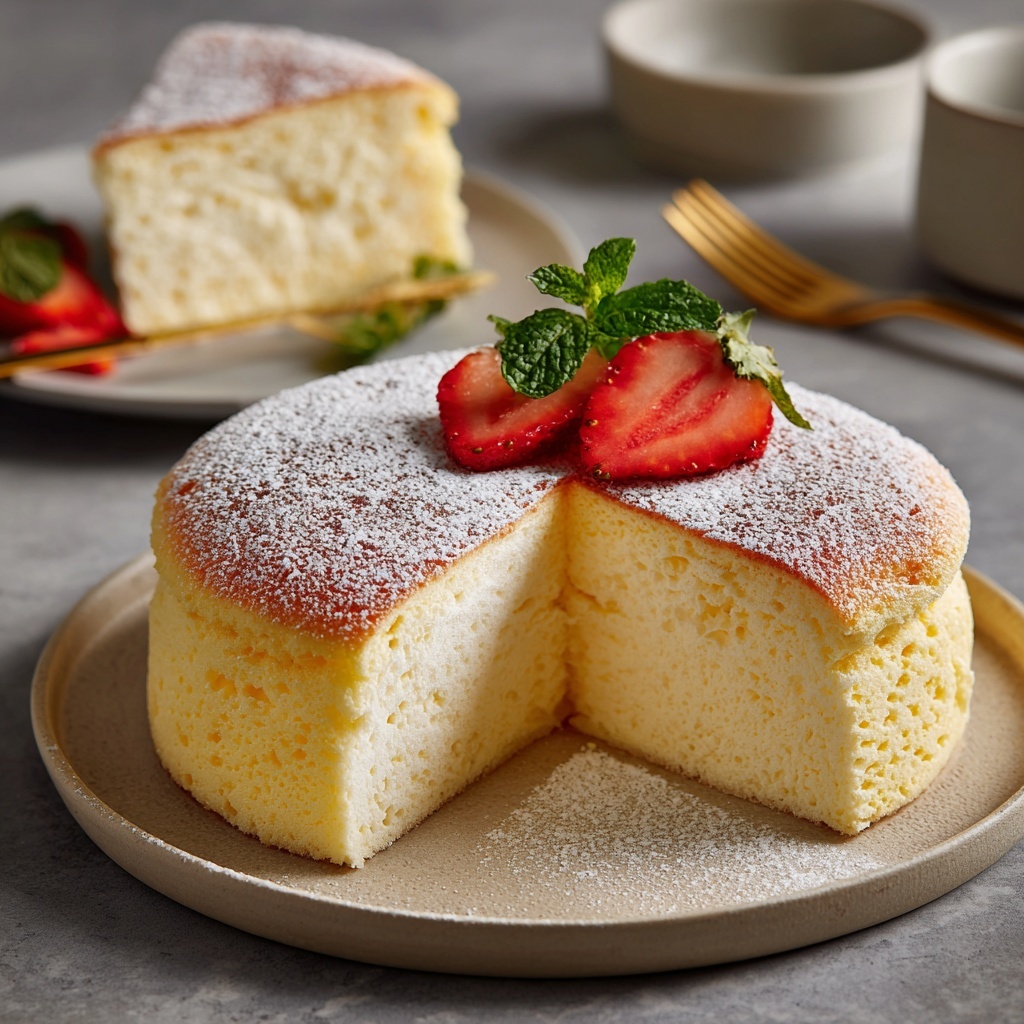
Garnishes
A light dusting of powdered sugar is classic and simple, but feel free to add fresh berries, a drizzle of berry coulis, or a sprig of mint to elevate the presentation. These small touches complement the cheesecake’s subtle flavor without overpowering its delicate charm.
Side Dishes
This Japanese Cotton Cheesecake Recipe pairs beautifully with a cup of green tea, which cuts through the richness and refreshes your palate. You can also enjoy it alongside lightly whipped cream or a scoop of fruity sorbet for a delightful contrast in temperature and texture.
Creative Ways to Present
For a special occasion, try serving individual mini cheesecakes in ramekins or make a layered dessert parfait combining crumbled cheesecake, fresh fruit, and cream. You could even add a thin layer of matcha powder on top for an extra pop of color and an authentic Japanese twist.
Make Ahead and Storage
Storing Leftovers
Store any leftover Japanese Cotton Cheesecake Recipe in an airtight container in the refrigerator for up to 3 days. The texture remains beautifully moist and fluffy, making it a perfect make-ahead dessert for upcoming meals or gatherings.
Freezing
If you want to keep it longer, wrap the cheesecake tightly in plastic wrap and then in foil before freezing. It will keep well for up to one month. To enjoy, thaw in the refrigerator overnight to preserve that signature springy texture without sogginess.
Reheating
When you’re ready for seconds, allow the cheesecake to come to room temperature or gently warm it in a low oven (about 250°F or 120°C) for 10-15 minutes. Avoid microwaving as it can toughen the texture and cause it to lose its delicate fluffiness.
FAQs
What makes Japanese Cotton Cheesecake different from regular cheesecake?
Unlike dense Western-style cheesecakes, this Japanese Cotton Cheesecake Recipe incorporates whipped egg whites that give it an airy, souffle-like texture. The result is a lighter, fluffier cake that still delivers creamy cheesecake flavor but feels much less heavy.
Can I use all-purpose flour instead of cake flour?
While you can substitute all-purpose flour, cake flour is preferred because it has less protein, resulting in a softer and lighter crumb, which is essential for the delicate texture of this cheesecake.
What is the purpose of the water bath in baking?
The water bath gently and evenly distributes heat around the cake during baking, preventing the edges from cooking too quickly and avoiding cracks and dryness. This method helps maintain the moist, tender crumb characteristic of this cheesecake.
Why do I need to fold the egg whites carefully?
Folding egg whites carefully preserves the air bubbles you whipped in, which gives the cake its signature fluffiness. Overmixing or stirring vigorously can deflate the meringue, resulting in a denser, less jiggly cheesecake.
Can I make this cheesecake without cream of tartar?
Yes, cream of tartar is optional but recommended. It stabilizes the egg whites and helps them hold their volume longer, making it easier to fold them into the batter and maintain a light texture.
Final Thoughts
This Japanese Cotton Cheesecake Recipe is truly a gem that brings joy with every forkful. Its lightness, subtle sweetness, and cloud-like texture are feats of culinary magic that will impress anyone you share it with. If you’re looking for a delightful dessert that feels special yet approachable, don’t hesitate to give this recipe a try—you might just find yourself making it again and again.
“`
Print
Japanese Cotton Cheesecake Recipe
- Prep Time: 25 minutes
- Cook Time: 1 hour 10 minutes
- Total Time: 1 hour 35 minutes
- Yield: 8 servings
- Category: Dessert
- Method: Baking
- Cuisine: Japanese
- Diet: Vegetarian
Description
This Japanese Cotton Cheesecake is a light, fluffy dessert known for its delicate, soufflé-like texture. Made with cream cheese, eggs, and a gentle water bath baking method, it offers a mildly sweet, melt-in-your-mouth experience perfect for those who enjoy a soft and airy cheesecake with a subtle tang.
Ingredients
Cheesecake Batter
- 7 oz cream cheese, softened
- 1/4 cup whole milk
- 1/4 cup unsalted butter
- 1/2 cup cake flour
- 2 tablespoons cornstarch
- 1/4 teaspoon salt
- 6 large eggs, separated
- 1/2 cup granulated sugar
- 1/4 teaspoon cream of tartar (optional)
- 1 teaspoon lemon juice
For Serving
- Powdered sugar, for dusting (optional)
Instructions
- Preheat and prepare pan: Preheat your oven to 320°F (160°C). Line an 8-inch round cake pan with parchment paper on the bottom and sides. Wrap the outside of the pan in foil to make it watertight for the water bath.
- Melt cream cheese mixture: In a heatproof bowl over a double boiler, melt together the cream cheese, whole milk, and unsalted butter until smooth. Remove from heat and let cool slightly.
- Add dry ingredients and egg yolks: Sift cake flour, cornstarch, and salt into the cream cheese mixture. Whisk gently until just combined. Add the egg yolks and lemon juice, mixing until smooth.
- Beat egg whites: In a separate clean bowl, beat egg whites with cream of tartar until foamy. Gradually add granulated sugar while continuing to beat until soft peaks form.
- Fold egg whites into batter: Carefully fold the egg white mixture into the cream cheese batter in three additions, using a spatula to maintain the airy texture.
- Prepare water bath and bake: Pour the batter into the prepared pan. Place this pan into a larger baking dish and pour hot water into the outer dish to create a water bath. Bake for 60–70 minutes until the top is golden and a toothpick inserted comes out clean.
- Cool in oven: Turn off the oven, crack the door open, and let the cake cool inside for 15 minutes to prevent cracking and help maintain fluffiness.
- Remove and cool completely: Take out the cake from the oven and let it cool completely before unmolding.
- Serve: Dust with powdered sugar if desired before serving for a pretty finish.
Notes
- Ensure all ingredients are at room temperature to get the best texture.
- Avoid overmixing the batter to prevent the cake from deflating.
- Cooling the cake in the oven helps to avoid cracks and keeps it fluffy.
- Store any leftovers refrigerated and consume within a few days for freshness.